When international customers purchase products from China, whether small accessories, large
furniture, bulk orders or small-batch orders, delivery delays have always been one of the biggest
pain points in China-based sourcing. Many buyers believe suppliers intentionally lie about
production time and hold up shipments, but the truth is far more complicated. There are deep-rooted
historical, market-oriented, supply-chain and factory-management reasons causing unstable delivery
schedules from Chinese manufacturers.
First of all, most delivery delays come from the prisoner's dilemma formed between suppliers and
buyers under the current market environment. In the past, many customers paid deposits but later
canceled orders, requested full refunds, or delayed container loading because they were waiting for
goods from other vendors for consolidated shipments. Once finished goods are kept in storage for a
long time, suppliers suffer capital backlog, warehouse costs and extra labor expenses. Traumatized
by such bad experiences, most Chinese suppliers choose to postpone formal production until buyers
confirm firm shipment plans, fearing order changes and economic losses. This reactive production
habit is the primary reason for passive delivery delays, rather than pure bad faith.
A small number of unethical suppliers do exist, though they are rare. These dishonest manufacturers
take buyers' deposits and use the funds for cash-flow turnover or investment, intentionally delaying
production for ten days, half a month or even one month. Such deliberate delays stem from bad faith,
while most late deliveries are reasonable responses from suppliers facing uncertain buyer behavior.
Secondly, production delays are caused by complex upstream and downstream supply chains, which is
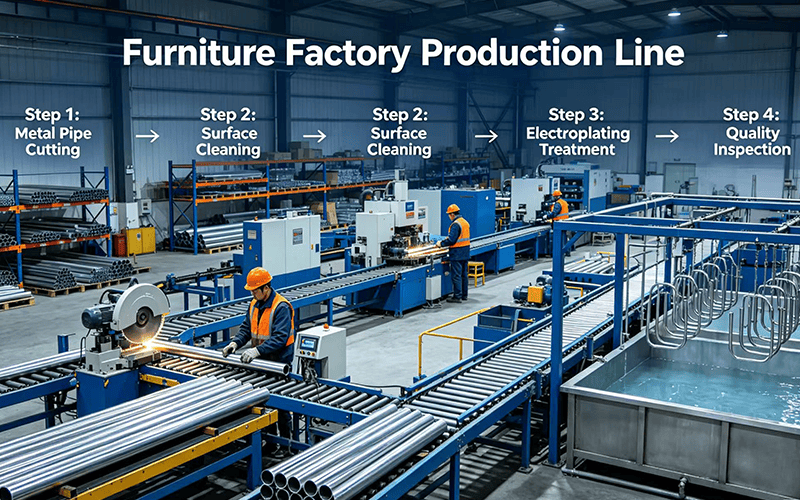
extremely obvious in the furniture industry. Taking hardware iron dining tables as an example, the
whole production process includes pipe cutting, pipe bending, polishing, grinding and
electroplating. These procedures cannot be finished inside one single factory; manufacturers have to
cooperate with external processing plants for bending and electroplating. Outsourced factories
usually have heavy order backlogs. Even if early-stage production is completed, long waiting times
for polishing and electroplating will directly hold up the whole delivery schedule.
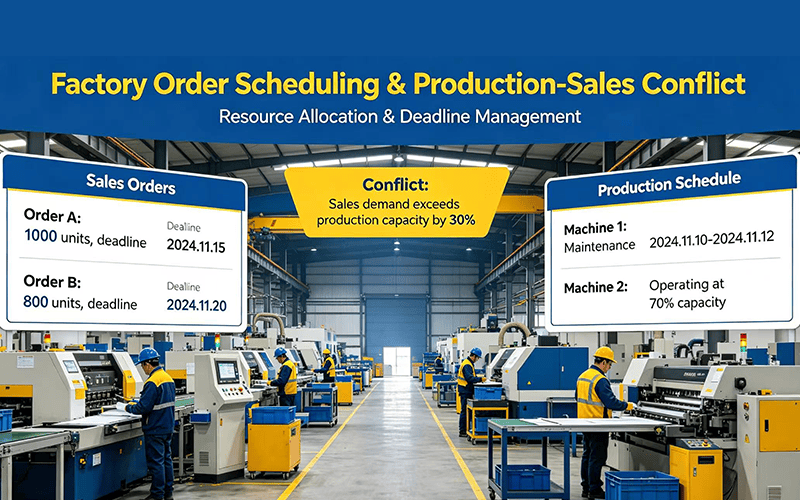
Thirdly, factory internal order scheduling culture also leads to extended lead times. China’s market
economy has developed for a relatively short period, so most factory owners have a strong sense of
scarcity. Faced with fierce domestic market involution, factories want to accept all orders
regardless of profit margins to avoid empty production lines. To avoid offending any customer, they
adopt unfair so‑called “equal treatment”, which creates the common order‑inserting phenomenon:
urgent late orders jump the queue, while orders from buyers with flexible shipment plans are pushed
back. Moreover, sales teams are customer‑oriented while production departments prioritize efficiency
and cost control. Factories often wait for bulk orders to reduce production waste and improve
productivity, further delaying small-batch order production. This permanent conflict between sales
and production inevitably slows down overall delivery progress.
After understanding all root causes of delivery delays from Chinese suppliers, we can take targeted
measures to ensure on‑time production and strict contract execution.
First, select reliable suppliers in advance. A trustworthy supplier will complete production on
schedule even with only verbal agreements on shipment dates, while an untrustworthy supplier will
ignore formal contracts completely. Therefore, thorough pre‑order communication is essential to
screen and judge supplier credibility. Meanwhile, clearly state payment terms in the contract: final
balance shall only be paid after buyers inspect finished products before or after packaging. Product
revisions often take extra time, so payment conditions must be written explicitly to push suppliers
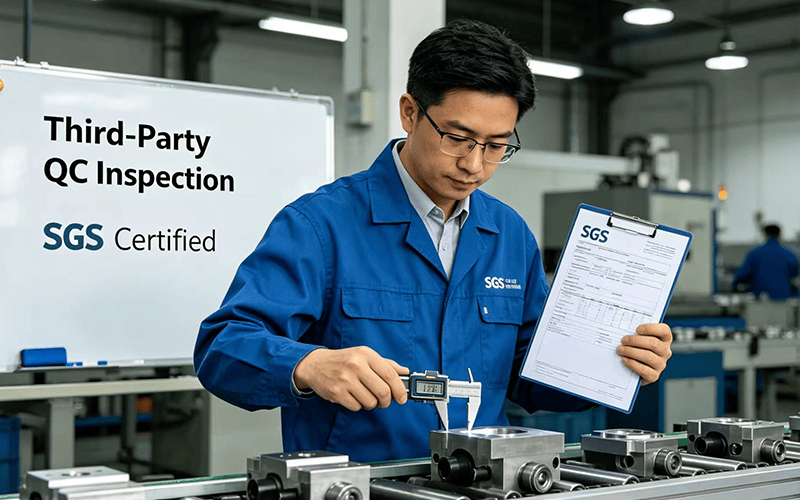
to speed up production. If possible, hire professional third‑party QC inspectors from certified
institutions such as SGS instead of profit‑driven middlemen to conduct independent pre‑shipment
inspections.
Second, give sufficient confidence to suppliers to eliminate their fear of order cancellation and
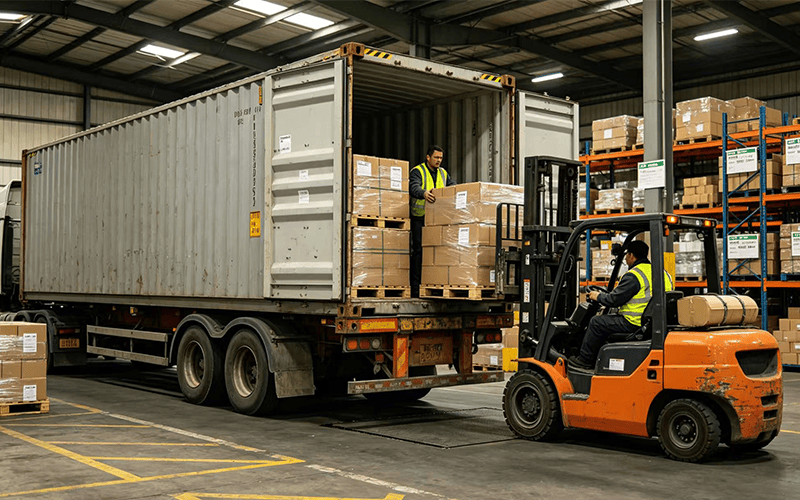
delayed loading. If your goods are consolidated from multiple suppliers into one container, clearly
inform all vendors of your loading plan. Arrange warehouse admission via your freight forwarder at
least one week before loading, taking advantage of the one‑week free storage period provided by most
Chinese freight forwarders. You can promise to make partial payment immediately once each supplier
finishes production and delivers goods to the designated warehouse within the free storage window.
This effectively prevents one supplier from waiting for others and reduces passive delays caused by
consolidated shipment uncertainty.
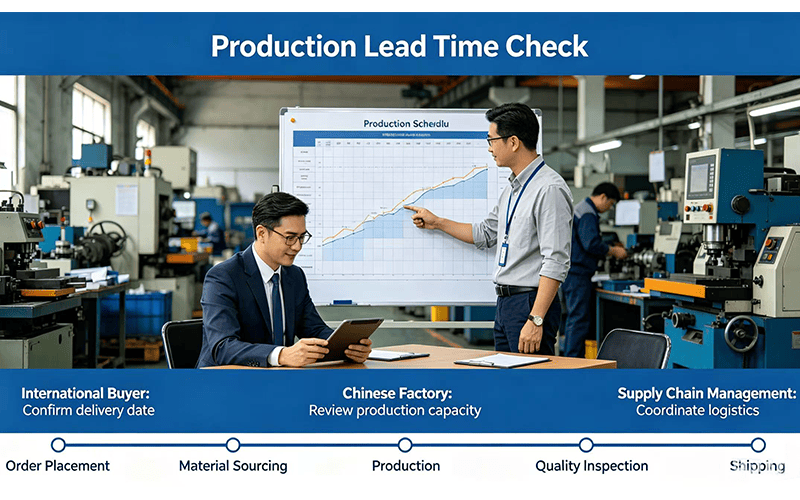
Third, overseas buyers must arrange their own loading progress reasonably. Never place impulsive
last‑minute orders after casually inquiring about lead times. Since Chinese suppliers’ promised
delivery dates are generally inaccurate, confirm all product details first and place unified orders
together. Centralized ordering allows you to rationally arrange warehouse entry according to your
freight forwarder’s free storage policy. Only cooperate with suppliers who can deliver goods to the
warehouse within your required timeline; there are abundant alternative manufacturers in China if
one cannot meet your schedule.
In conclusion, delivery delays from Chinese suppliers are rarely caused by simple dishonesty. They
mainly result from buyer‑supplier prisoner’s dilemma, complex outsourcing supply chains, factory
scarcity‑minded order scheduling, and poor personal shipment planning from overseas buyers. To
achieve stable and on‑time delivery when sourcing from China, importers should focus on three core
strategies: carefully screen reliable suppliers and set clear inspection‑before‑payment contract
clauses, eliminate supplier anxiety by providing definite loading plans and using free warehouse
storage to avoid cross‑supplier waiting, and standardize your own ordering rhythm to avoid temporary
orders and unplanned production timelines. By combining reasonable supplier selection, clear
contract constraints, sufficient trust‑building communication and scientific personal shipment
arrangement, international buyers can effectively avoid lead‑time delays and build a stable,
long‑term supply chain with Chinese manufacturers.