
Consumer expectations in the residential furniture market have been changing alongside improvements in living standards, digital shopping and the way people use their homes.
In 2022, consumer feedback highlighted several important directions. High-end and simple furniture styles remained popular, while younger consumers showed stronger interest in design and individual expression. At the same time, comfort, multifunctionality, online service quality and safer materials became increasingly important parts of the purchasing decision.
These insights provide useful reference points not only for furniture brands, but also for manufacturers, distributors and buyers developing products for the residential market.
The furniture consumer is no longer choosing only by appearance. Design, comfort, functionality, service and material safety increasingly influence the complete purchasing decision.
High-End, Elegant and Simple Styles Remain Mainstream
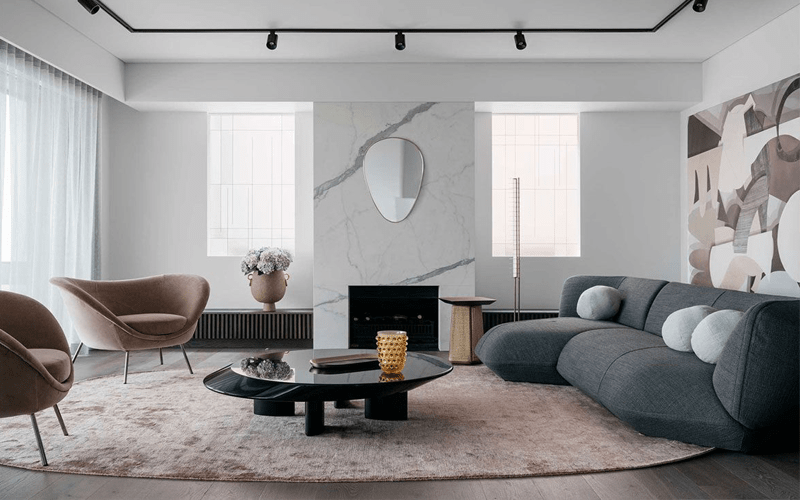
High-end atmosphere, fashion and simplicity were among the most common themes in consumer feedback about furniture appearance. On e-commerce platforms, consumers frequently associated attractive furniture with concepts such as light luxury, modern fashion and simplicity.
At the same time, social platforms revealed a much broader range of aesthetic preferences. Minimalist, Italian, Nordic, American and French styles were all discussed, alongside combinations of different design influences.
This difference shows that consumers are not necessarily looking for one universal furniture style. The new generation of buyers is increasingly interested in individual expression and multiple forms of aesthetic identity.
For younger consumers in particular, furniture with a stronger sense of design, a more recognizable style and a more personalized appearance can be more attractive than products that simply follow mainstream trends.
Foreign high-end furniture brands and cutting-edge designer products therefore continue to provide an important reference point for consumers looking for distinctive design.
Comfort and Multifunctional Furniture Are Becoming More Important
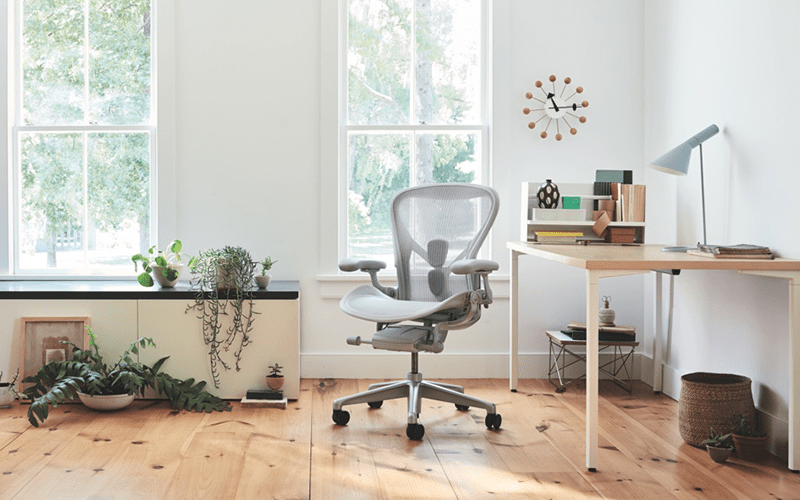
As household consumption levels improve, consumers are paying greater attention to the quality of their home environment. The changes brought by the pandemic also accelerated demand for home office furniture and furniture that can support multiple activities.
Comfort has therefore become increasingly important for sofas, tables, chairs and other everyday furniture. On social platforms, lazy sofas were frequently mentioned because their relaxed structure and seating experience are immediately associated with comfort.
Consumers also showed interest in additional functions designed to improve the user experience. Electric adjustment, ergonomic features and massage functions were among the multifunctional configurations discussed in relation to furniture comfort.
Small functional details can also create meaningful differences. For example, beds incorporating bedside lighting or electrical sockets can respond directly to how people use modern bedrooms.
Another important trend is the expansion of furniture into different usage scenarios. Foldable, lightweight and portable furniture can be useful for home offices, lunch breaks, small apartments, rental housing, dormitories and outdoor camping.
The implication for furniture manufacturers is clear: furniture design needs to consider not only what a product looks like, but also how people use it throughout the day.
Customer Service and Installation Strengthen Online Furniture Brands
Furniture is generally a relatively low-frequency purchase, but it often involves a more complicated decision process than many other consumer products. Customers may also purchase several supporting products from the same brand over time.
For online furniture purchasing, brand awareness can help attract customers, but the quality of service can strongly influence customer satisfaction, future purchases and overall brand reputation.
Consumer feedback around major furniture brands such as IKEA, Ashley HomeStore and Raymour & Flanigan showed significant attention to customer service and installation services.
Pre-sales communication is important because customers often have questions about dimensions, materials, delivery and product suitability. Patient and professional answers can reduce uncertainty before purchase.
After the purchase, customers expect problems to be handled actively and efficiently. They also pay attention to installation progress, installation attitude and the technical quality of the installation itself.
For furniture brands selling online, customer service and installation should therefore be considered part of the product experience rather than simply an additional support function.
Children’s Furniture Requires More Attention to Safety and Function
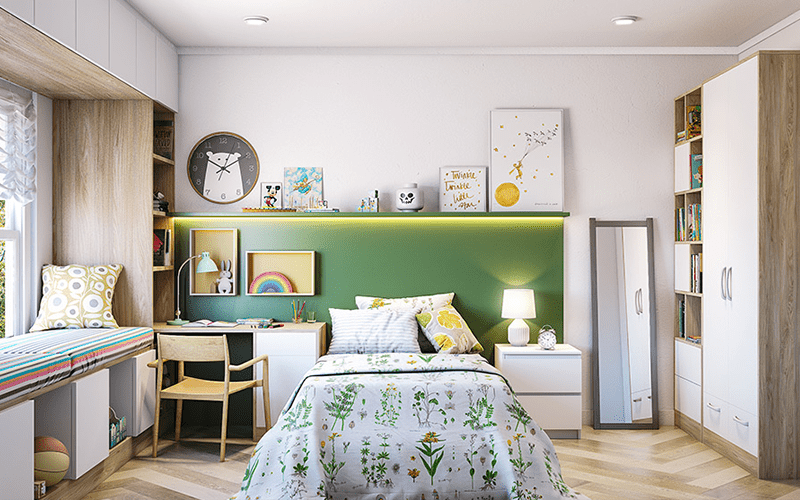
Children’s furniture represents a particularly important category because parents evaluate these products according to requirements that go beyond appearance and price.
Consumers pay close attention to environmental protection, material safety, odor and the overall quality of construction. Safety and functional details can strongly influence purchasing decisions.
Examples of features that receive attention include anti-collision corners, reinforced bed structures, anti-fall protection, electric rocking functions for cribs, foldable designs and built-in music functions in child seats.
These examples demonstrate that children’s furniture should not simply be treated as a smaller version of adult furniture.
Children use furniture differently and have different safety requirements. Products therefore need more careful consideration of structure, materials, edges, stability and functional details.
For manufacturers, this creates opportunities for differentiation. Safer materials, more refined craftsmanship and thoughtful functional configurations can provide meaningful value to parents while improving the overall product experience.
Consumers Are Paying More Attention to Furniture Materials
Material perception is another important factor in residential furniture purchasing. Consumers increasingly pay attention not only to how furniture looks, but also to how materials feel, smell and perform inside the home.
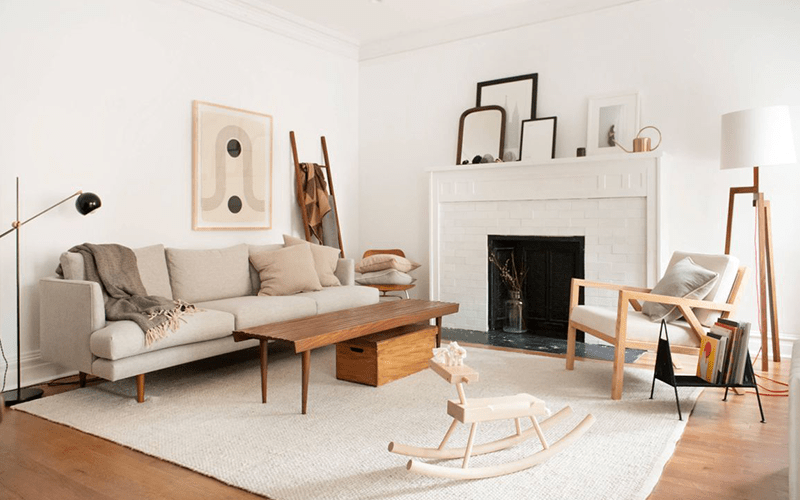
On both social and e-commerce platforms, wooden materials were frequently discussed, particularly in relation to environmental protection and formaldehyde concerns.
Consumers tend to associate solid wood with natural materials and a cleaner home environment, which contributes to its positive perception.
At the same time, the growing sensitivity to material odor and formaldehyde demonstrates that consumers increasingly want greater transparency about what is used inside their furniture.
For furniture manufacturers and brands, this means that material selection and communication are becoming closely connected. It is not enough to simply describe a product as environmentally friendly. Buyers increasingly want to understand what materials are actually used and why they are considered suitable for residential environments.
What Residential Furniture Brands Should Pay Attention To
The 2022 consumer insights suggest several practical directions for furniture product development and marketing.
- Maintain strong attention to clean, elegant and contemporary furniture design.
- Offer different aesthetic directions instead of relying on a single style.
- Develop products with stronger design identity for younger consumers.
- Prioritize seating comfort and ergonomic experience.
- Consider multifunctional features where they provide genuine user value.
- Develop furniture for different residential and lifestyle scenarios.
- Strengthen pre-sales customer service for online furniture purchasing.
- Provide professional and reliable installation services.
- Treat children’s furniture as a specialized category with higher safety requirements.
- Communicate material composition and environmental characteristics clearly.
The next generation of furniture consumers is looking beyond appearance. Design, comfort, functionality, service and material safety are becoming part of the complete furniture experience.
The 2022 residential furniture market showed a clear movement toward a more complete consumer experience. Appearance remained important, but it was increasingly connected with comfort, functionality, service and material safety.
High-end, elegant and simple styles continued to attract mainstream consumers, while younger buyers showed stronger interest in individual design and diverse aesthetic influences.
Comfort and multifunctionality also became increasingly important as homes were used for more activities, including working, relaxing and temporary living arrangements.
For online furniture brands, customer service and installation emerged as important parts of brand value. For children’s furniture, safety, materials and functional details created additional opportunities for differentiation.
Finally, consumers demonstrated a more specific awareness of furniture materials, particularly around environmental protection, odor and formaldehyde concerns.
For furniture manufacturers, these trends suggest that successful product development should not focus on appearance alone. The strongest products are those that combine design, comfort, practical functionality, reliable materials and a complete customer experience.
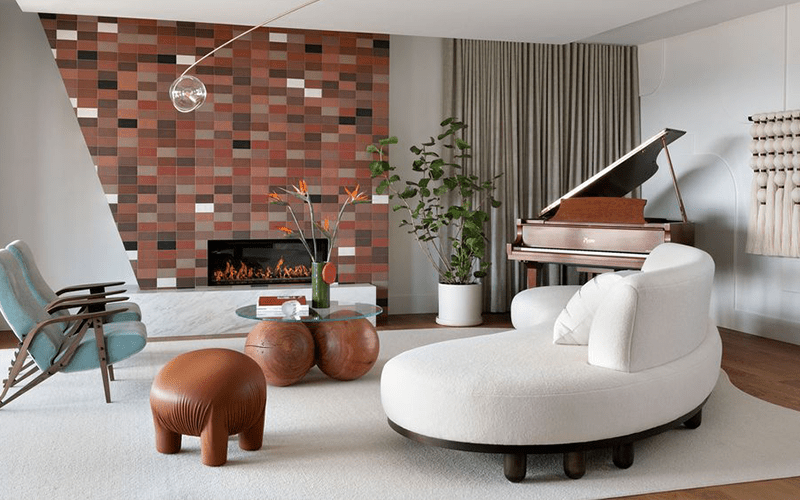
High-end, elegant, fashionable and simple furniture remained mainstream preferences. Younger consumers also showed interest in minimalist, Italian, Nordic, American, French and mixed styles with stronger design identity.
Consumers increasingly use their homes for multiple activities, including working, relaxing and entertainment. This has increased attention to comfortable sofas, chairs, ergonomic furniture and multifunctional products.
Consumer feedback mentioned features such as electric adjustment, ergonomic functions, massage functions, integrated bedside lighting and sockets, as well as foldable, lightweight and portable furniture.
Furniture purchases involve significant decision-making and often require delivery and installation. Professional pre-sales communication, responsive after-sales support and reliable installation can improve customer satisfaction and strengthen brand reputation.
Consumers pay particular attention to environmental protection, safe materials, low odor, structural safety and functional details such as anti-collision corners, anti-fall protection and reinforced structures.
Consumers are increasingly sensitive to material safety, odor and formaldehyde concerns. Solid wood is often trusted because of its natural material characteristics, while buyers increasingly want clearer information about the materials used in furniture.
Developing Furniture for Today’s Residential Market?
Lohabour develops and manufactures residential furniture for international buyers, distributors and OEM projects. From sofas and living room furniture to children’s furniture and customized residential solutions, we can support product development around design, comfort, materials and functional requirements.
Discover Our Manufacturing