
As one of the most significant events in the global furniture industry, the China International Furniture Fair (CIFF) attracts exhibitors, manufacturers, designers and buyers from around the world.
For international buyers, however, simply attending the exhibition is not enough. CIFF is enormous, and the number of exhibitors, furniture categories and potential suppliers can quickly become overwhelming.
Whether you are a first-time visitor or an experienced furniture buyer, careful preparation can make the difference between spending several days collecting catalogues and actually finding manufacturers that can support your long-term business.
The objective should therefore be to treat CIFF not simply as a furniture exhibition, but as the starting point of a broader sourcing process involving supplier selection, product evaluation, negotiation, factory visits and market research.
CIFF is not just a furniture exhibition. For serious buyers, it can be the starting point of a complete China sourcing strategy.
This guide explains how CIFF works, how to prepare before arriving, how to approach procurement during the exhibition and what buyers should do after the show to properly evaluate potential suppliers.
Understanding the China International Furniture Fair
The China International Furniture Fair, commonly known as CIFF, is one of the most important furniture trade exhibitions in China.
The event brings together furniture manufacturers, suppliers, designers, material companies and international buyers, creating a concentrated environment for discovering new products and developing business relationships.
For buyers sourcing furniture from China, this concentration of suppliers is particularly valuable. Instead of spending weeks contacting manufacturers individually online, buyers can compare multiple companies, products and production capabilities in person.
CIFF also provides an opportunity to observe current furniture trends, materials, manufacturing technologies and design directions across different market segments.
However, the sheer size of the exhibition means that buyers need a clear strategy. Without preparation, it is easy to spend most of the visit walking between booths without obtaining enough useful information to make a sourcing decision.

When and Where Is CIFF Held?
CIFF traditionally operates in two major editions each year, with the Guangzhou edition taking place in March and the Shanghai edition taking place in September.
The Guangzhou edition is particularly relevant for buyers interested in the manufacturing ecosystem of Southern China because it is closely connected to the major furniture production clusters around Foshan and other manufacturing centers in Guangdong.
Each edition covers multiple exhibition halls and furniture categories. Depending on your sourcing objectives, you may need several days simply to visit the most relevant halls and suppliers.
This is why international buyers should plan their visit before arriving rather than attempting to explore the entire exhibition randomly.
Your schedule should include the exhibition itself as well as additional time for supplier meetings, showroom visits and factory inspections outside the exhibition center.
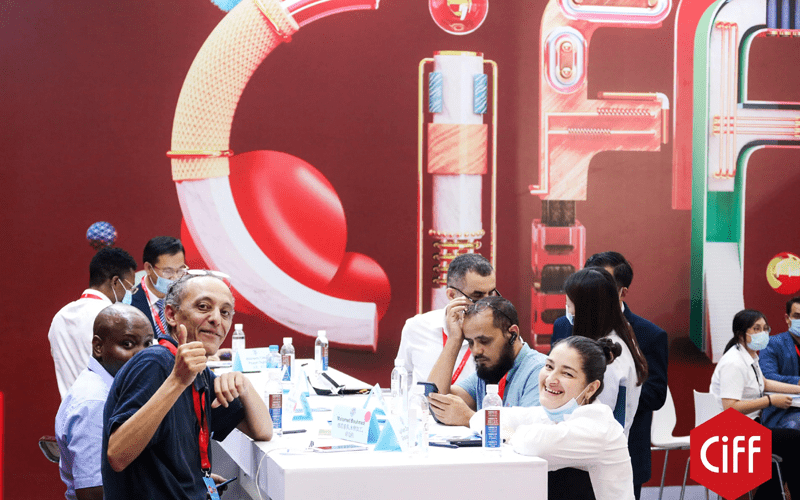
Prepare Before You Visit CIFF
The most important work often happens before you arrive at the exhibition.
First, define exactly what you are looking for. Instead of simply deciding that you want to find furniture suppliers, establish the specific categories, materials, price levels, quantities and target markets relevant to your business.
For example, a hotel furniture buyer may be looking for upholstered beds, nightstands, wardrobes and customized room furniture, while an online retailer may be searching for standardized products suitable for repeated container orders.
Once your sourcing requirements are clear, research the exhibitors and identify the companies that appear relevant to your needs.
Pre-registering for the exhibition can also make the entry process easier and may provide access to visitor services, exhibitor information and business matchmaking opportunities.
Most importantly, prepare a structured supplier information sheet so that you can record product models, prices, MOQ, materials, lead times, customization capabilities and contact information consistently throughout the exhibition.
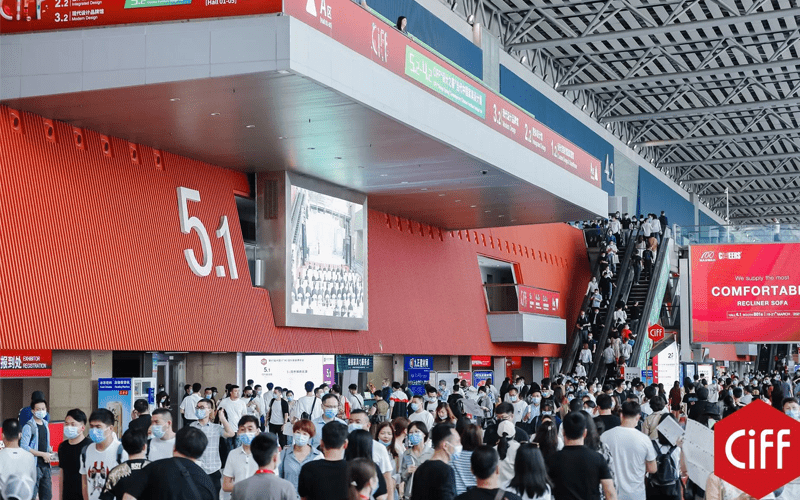
How to Source Effectively at CIFF
CIFF offers an excellent opportunity to meet furniture manufacturers and suppliers directly, but effective procurement requires more than collecting business cards.
Start by researching and prioritizing exhibitors that match your sourcing requirements. Use the official exhibition information and exhibitor directories to identify companies, product categories and booth locations before spending time on the exhibition floor.
Educational programs, seminars and workshops can also provide useful information about furniture trends, market developments and sourcing practices. These sessions can help buyers understand where the industry is moving and identify new business opportunities.
When discussing products with suppliers, do not focus only on the headline price. Ask about minimum order quantities, production capacity, materials, customization, packaging, lead time and payment conditions.
Negotiation is an important part of the sourcing process, but the objective should be to establish a sustainable commercial relationship rather than simply forcing the lowest possible quotation.
Quality should also remain a priority. Inspect samples carefully, ask how production quality is controlled and determine whether the supplier has experience serving international customers with similar requirements.
Finally, remain flexible. One of the advantages of visiting CIFF is discovering products or manufacturers that you did not originally expect to find. A supplier may offer a new material, design or production solution that fits your market better than your initial plan.
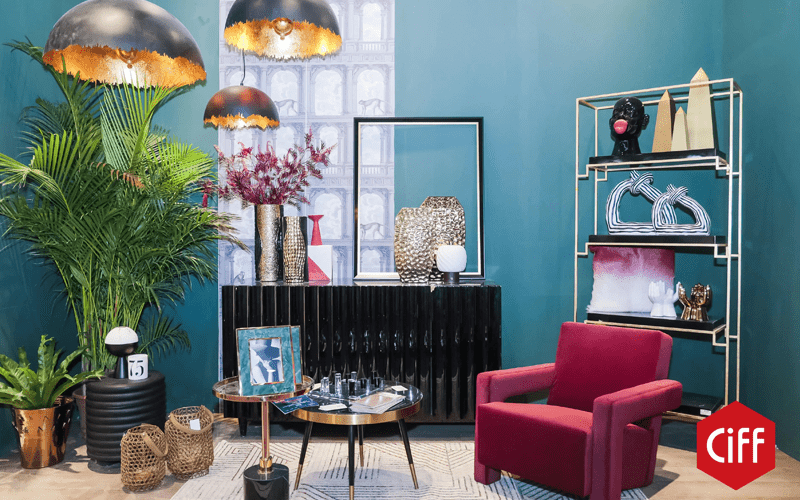
Do Not Stop at the CIFF Booth
One of the biggest mistakes international buyers can make is choosing a supplier simply because the company has an impressive booth at CIFF.
An exhibition booth demonstrates how a company presents itself, but it does not automatically prove manufacturing capability, production consistency or long-term reliability.
After identifying promising suppliers, allocate additional time for on-site inspections.
Ideally, buyers should reserve approximately one week after the exhibition to visit factories, production facilities and showrooms that are relevant to their sourcing plans.
A factory visit allows you to evaluate the actual production environment, machinery, workforce, quality-control procedures, warehouse organization and manufacturing capabilities behind the products displayed at the exhibition.
It also gives you the opportunity to discuss product development, customization and future cooperation directly with the supplier management team.
Explore the Furniture Markets Around Foshan
CIFF should not be considered your only sourcing destination when visiting Southern China.
The surrounding furniture manufacturing ecosystem provides additional opportunities to compare products, suppliers and market pricing.
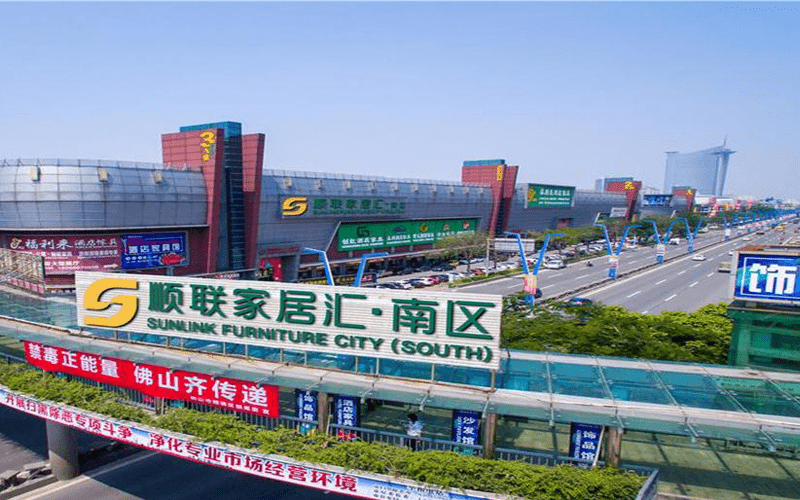
Lecong Furniture Market in Foshan is one of the most important furniture markets in the region and provides access to a very large range of furniture products and suppliers.
Buyers can also investigate furniture markets and manufacturing areas in Longjiang and Dongguan depending on the product categories they are sourcing.
Visiting these markets alongside CIFF can reveal important differences between exhibition products, wholesale products and factory-direct offerings.
It can also help buyers identify suppliers that may not have attracted attention during the exhibition itself.
The objective is not simply to find the cheapest product. Market research should help you understand the relationship between design, materials, production capability, pricing and supplier services before committing to a long-term sourcing relationship.
Turn a CIFF Visit Into a Long-Term Procurement Strategy
The real value of CIFF does not come from the number of catalogues collected or suppliers contacted during the exhibition.
Its value comes from using the exhibition as the first stage of a structured sourcing process.
After the exhibition, organize the suppliers you have identified according to product category, price level, production capability, customization ability, MOQ, lead time and overall suitability for your business.
Then compare equivalent products rather than comparing completely different specifications simply because they have similar appearances.
Shortlist the most promising manufacturers and arrange factory visits or detailed online meetings with their production and management teams.
Request formal quotations based on your actual specifications and expected order volumes. This will give you a much more accurate picture of the supplier relationship than the initial conversation at the exhibition booth.
The strongest sourcing strategy combines exhibition research, market research, factory inspection, quotation comparison and long-term supplier evaluation.
Prepare Your Sourcing Visit
A successful CIFF visit starts before you arrive at the exhibition center.
- Define the furniture categories you need.
- Prepare target product specifications and materials.
- Estimate expected order quantities and container volumes.
- Set a target purchasing budget and price range.
- Research relevant exhibitors before the exhibition.
- Create a shortlist of suppliers and booth locations.
- Prepare questions about MOQ, lead time and customization.
- Pre-register for the exhibition when possible.
- Prepare a structured system for recording supplier information.
Evaluate Suppliers Properly
Do not judge a supplier only by the appearance of its exhibition booth.
- Check the actual product specifications.
- Ask whether the company is a manufacturer, trading company or integrated supplier.
- Confirm production capabilities and customization options.
- Ask about MOQ and typical order volumes.
- Discuss production lead times.
- Understand packaging and shipping arrangements.
- Ask about quality-control procedures.
- Record supplier contacts and product model numbers.
- Compare equivalent products from multiple suppliers.
- Identify suppliers suitable for factory inspection.
Complete Your Supplier Due Diligence
The exhibition is only the beginning. Verify promising suppliers before placing significant orders.
- Arrange factory or showroom inspections.
- Compare production capabilities between shortlisted suppliers.
- Verify product materials and construction.
- Request formal quotations based on your real specifications.
- Compare MOQ, lead time and payment conditions.
- Evaluate quality-control systems.
- Check international export experience.
- Visit surrounding furniture markets such as Lecong and Longjiang.
- Compare exhibition prices with market and factory pricing.
- Select suppliers based on overall suitability rather than booth presentation alone.
The best CIFF sourcing strategy does not end at the exhibition hall. It continues through supplier comparison, factory inspection and long-term cooperation.
Attending the China International Furniture Fair can be a highly valuable experience for international furniture buyers, but the results depend heavily on how the visit is organized.
CIFF gives buyers access to a concentrated network of furniture manufacturers, suppliers, designers and industry professionals. It provides an efficient way to discover products, compare suppliers and understand current market trends.
However, an exhibition booth should never be considered sufficient proof of manufacturing capability or supplier reliability. The most important work begins after identifying the companies that appear relevant to your business.
For serious buyers, the ideal process is to prepare specific sourcing objectives before the exhibition, prioritize relevant exhibitors during CIFF, collect detailed supplier information, compare equivalent products and then conduct factory or showroom inspections before placing significant orders.
The Guangzhou edition is particularly valuable when combined with visits to the surrounding furniture manufacturing ecosystem in Foshan, including Lecong and Longjiang. This broader approach gives buyers a much deeper understanding of the relationship between manufacturers, wholesalers, product styles and market pricing.
Ultimately, successful furniture sourcing in China is not about finding the largest number of suppliers or negotiating the lowest quotation. It is about identifying the right manufacturing partner, verifying its capabilities and building a supply chain that can consistently deliver the required quality, price and lead time.
If you are planning a furniture sourcing project in China and need a reliable manufacturing partner for customized or bulk furniture production, we welcome you to share your requirements with us for a professional sourcing and manufacturing discussion.

CIFF, the China International Furniture Fair, is a major international furniture trade exhibition connecting furniture manufacturers, suppliers, designers and buyers. It is an important sourcing and networking platform for the global furniture industry.
CIFF traditionally has two major annual editions, with the Guangzhou edition taking place in March and the Shanghai edition taking place in September. Buyers should always verify the official schedule before planning their trip.
Yes. CIFF allows buyers to compare many furniture manufacturers and suppliers in one place, discover new products and trends, and establish direct business relationships. However, serious buyers should continue with supplier verification and factory inspections after the exhibition.
Not necessarily. An attractive booth and good products do not automatically prove manufacturing capability or reliability. Shortlist promising companies at CIFF and then verify their production facilities, quality systems, pricing and export experience before placing significant orders.
For serious sourcing projects, it can be useful to reserve additional time after the exhibition for factory and showroom inspections. A dedicated period of several days allows buyers to visit shortlisted suppliers and compare their actual capabilities.
Lecong Furniture Market and the Longjiang furniture manufacturing area are important places to investigate around Foshan. Depending on your product category, Dongguan and other manufacturing clusters in Guangdong may also be relevant.
Start by clearly explaining your product requirements, expected quantities and target market. Compare equivalent specifications across several suppliers and negotiate pricing together with MOQ, lead time, quality standards, packaging and payment terms rather than focusing only on the headline price.
Looking for a Furniture Manufacturing Partner in China?
Lohabour works with international buyers, wholesalers, hospitality projects, commercial developments and OEM programs. Our manufacturing capabilities cover upholstered furniture, wood furniture and metal furniture, with a focus on customized production, quality control and long-term supplier relationships.
Discover Our Products