
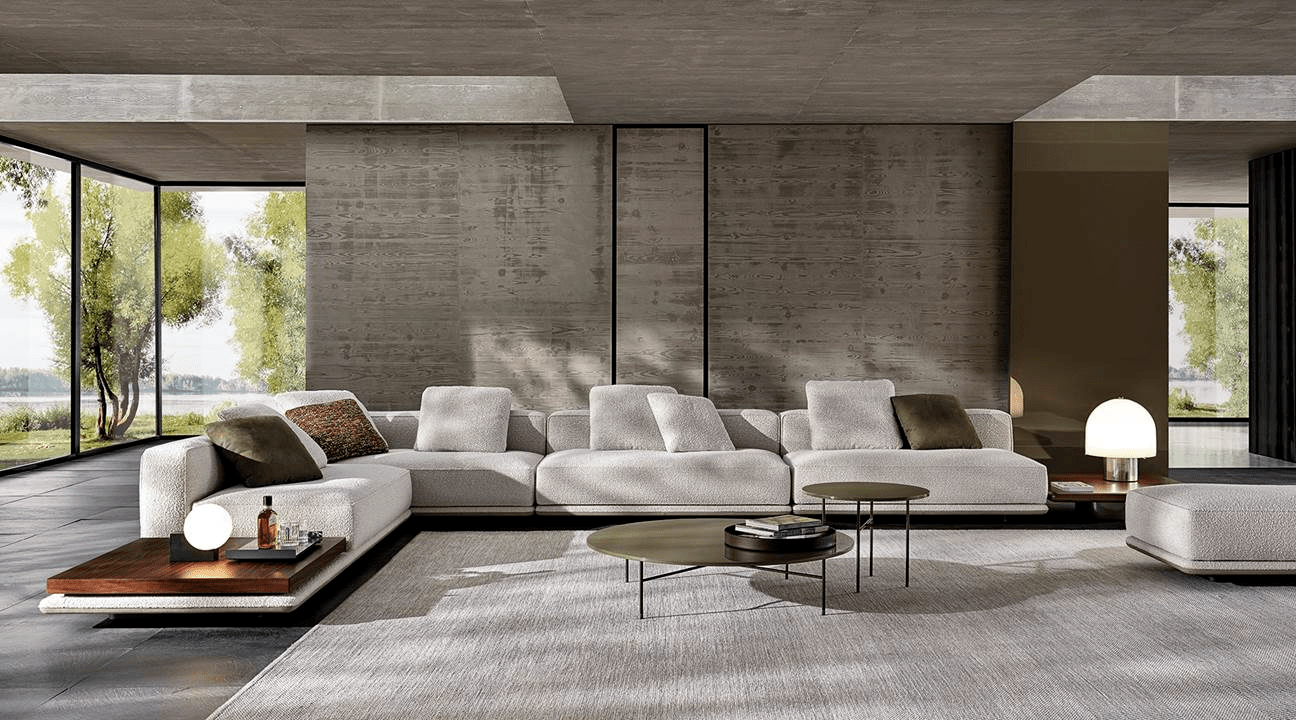
In today's furniture market, both residential and commercial projects increasingly place importance on personalization and customization. Furniture is no longer selected only according to standard dimensions and predefined designs. Buyers increasingly want products that fit their space, interior concept, brand identity and specific functional requirements.
The sofa is particularly important because it is often the visual and functional center of a living room, hotel suite, lounge, restaurant or other hospitality space. Its size, shape, material and color can influence the entire atmosphere of an interior.
The growth of social media has also increased demand for distinctive furniture. Platforms such as TikTok and Instagram allow homeowners, designers and furniture sellers to showcase interiors and discover new furniture concepts from around the world.
For furniture buyers and sellers, however, customization also creates additional challenges. Sofas are large products, and their dimensions, packaging, transportation, installation and material selection all need to be carefully considered before production.
A successful custom sofa is not simply a beautiful design. It is the right combination of dimensions, materials, construction, comfort, manufacturing capability and practical requirements.
Whether you are looking for a custom sofa maker for your home, sourcing furniture for a hotel or restaurant, or purchasing customizable modular sofas for a furniture business, a structured selection process can help reduce mistakes and improve the final result.
Why Are Custom Sectional Modular Sofas Becoming Popular?
Custom furniture has become increasingly popular because consumers and commercial buyers want products that fit specific spaces rather than adapting their interiors to standard furniture dimensions.
A sectional modular sofa is particularly flexible because it can be constructed from multiple individual modules. Depending on the design, buyers can combine seats, corner modules, chaise sections, ottomans and other components to create different configurations.
This flexibility makes modular sofas suitable for residential living rooms as well as hotels, lounges, restaurants, offices, clubs and other commercial environments.
Customization can also allow buyers to select different upholstery materials, colors, foam densities, frame constructions and dimensions according to their requirements.
For furniture retailers and e-commerce businesses, modular construction can also provide logistical advantages because individual components may be easier to package, transport and install than a single large sofa.
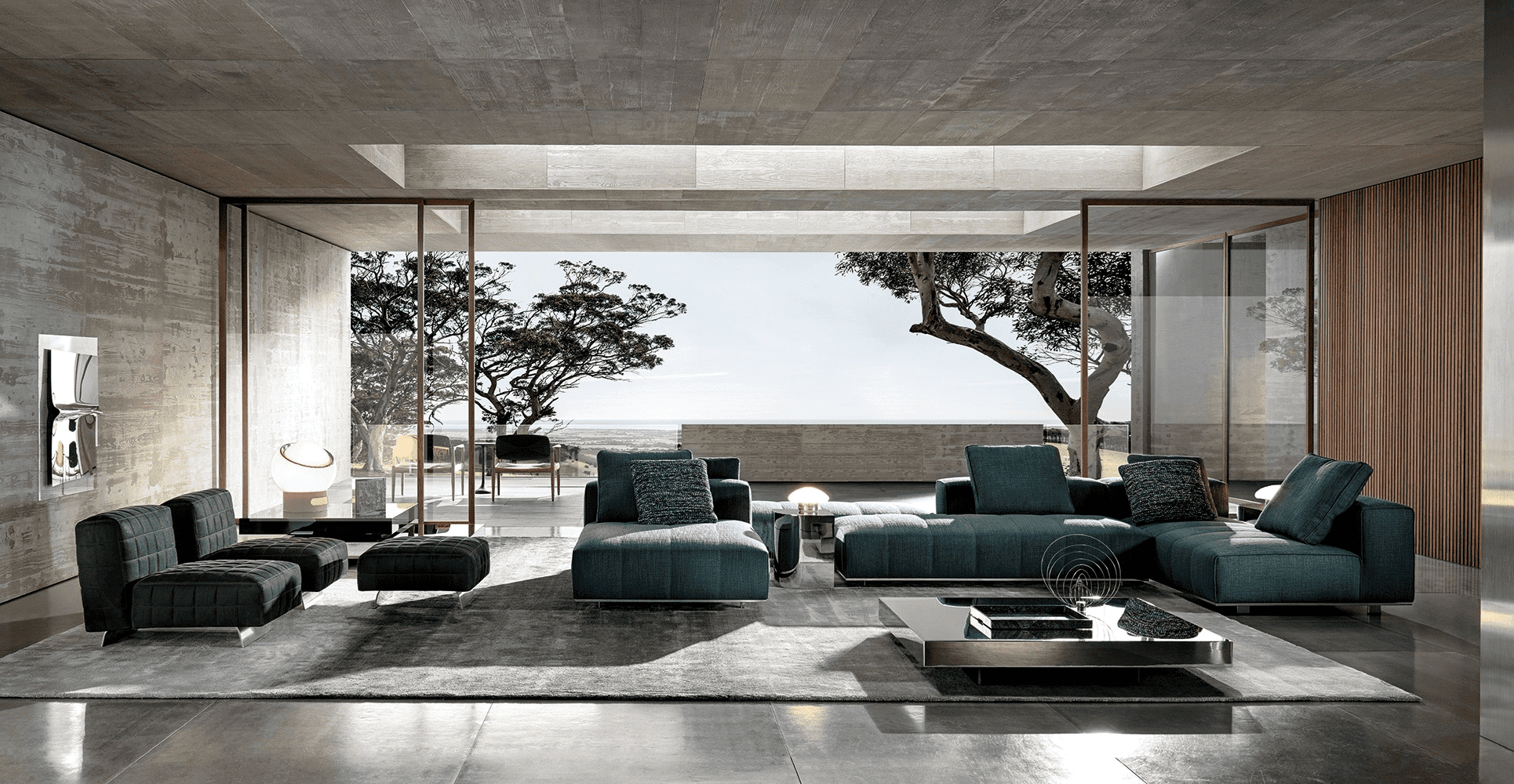
How to Find the Right Custom Sofa Manufacturer
Finding a suitable custom sofa manufacturer is one of the most important steps in the sourcing process. A manufacturer should not be selected only because its catalogue contains attractive designs.
First, determine whether the supplier has genuine manufacturing capabilities for upholstered furniture. Ask about its production facilities, frame construction, upholstery processes, foam cutting, sewing, assembly and quality-control procedures.
For customized projects, communication is particularly important. The manufacturer should be able to understand drawings, dimensions, material specifications, color references and other technical requirements.
Buyers should also ask whether the manufacturer has experience producing customized orders for international customers, hospitality projects or furniture retailers.
Before placing a significant order, it is advisable to request samples or a prototype. A physical sample allows the buyer to evaluate dimensions, upholstery, stitching, comfort, color and construction before mass production begins.
The best supplier is therefore not necessarily the largest furniture brand. For many small and medium-sized projects, a specialized manufacturer with strong customization capabilities and responsive communication can provide better flexibility.

Choose the Right Materials for Your Custom Sofa
Material selection has a direct influence on the appearance, comfort, durability and price of a custom sofa.
The internal frame is one of the first elements to discuss with the manufacturer. Buyers should understand what type of wood or structural material is used and how the frame is assembled.
The cushion construction is equally important. Foam density, filling materials and support systems influence how the sofa feels when sitting and how well it maintains its shape over time.
Upholstery should be selected according to the intended environment. Fabric can provide a softer and warmer appearance, while leather and other coated materials can create a more sophisticated appearance and may be easier to clean depending on the specification.
For hospitality and commercial projects, buyers should pay particular attention to abrasion resistance, stain resistance, cleaning requirements, fire-safety requirements and expected usage intensity.
The manufacturer should provide clear information about the selected materials rather than simply describing the sofa as high-end or premium.

Get the Dimensions Right Before Production
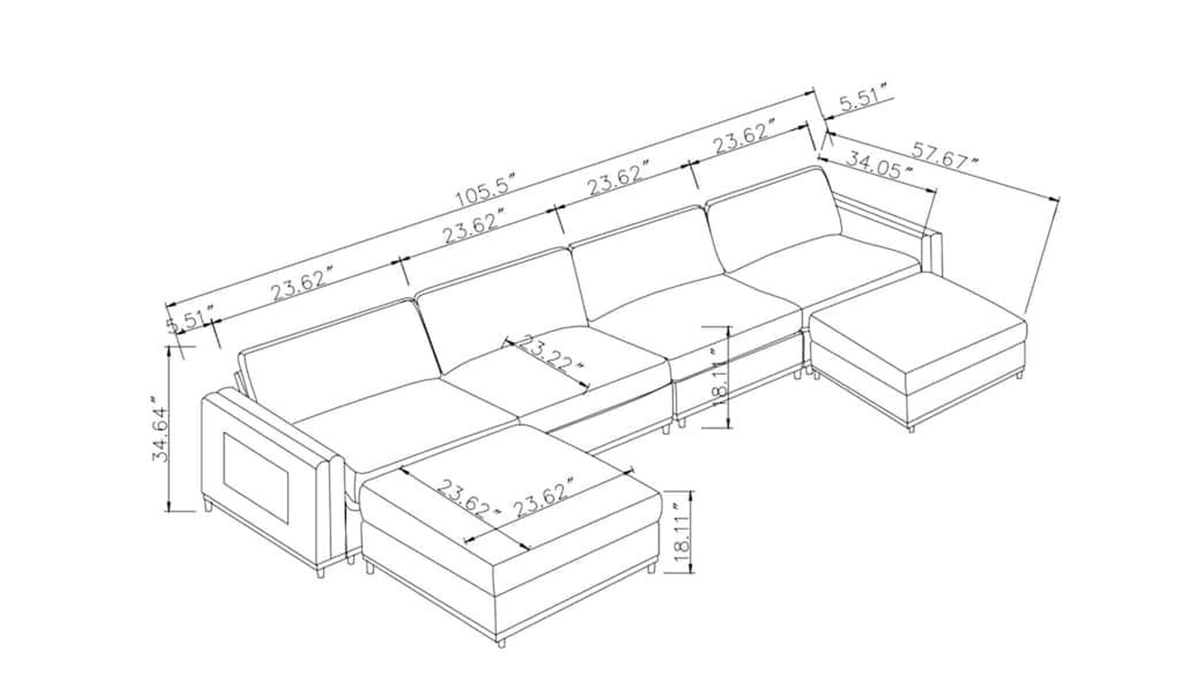
Dimensions are critical when ordering a custom sectional sofa. A sofa that looks perfect in a catalogue may become unsuitable when placed inside a specific room.
Before production, measure the available room carefully, including wall length, ceiling height, door openings, elevators, stairways and other access points.
For sectional modular sofas, the dimensions of every individual module should be confirmed. Buyers should understand the total assembled dimensions as well as the dimensions of each component.
The depth of the sofa should also be considered. A deep sectional may provide excellent comfort but can make a smaller room feel crowded.
Commercial buyers should also consider circulation space. In restaurants, hotels and lounges, sufficient clearance must remain around furniture for guests and staff to move comfortably.
For large projects, manufacturers should work from approved technical drawings rather than relying only on verbal measurements. This reduces the possibility of production errors and makes the final installation easier.
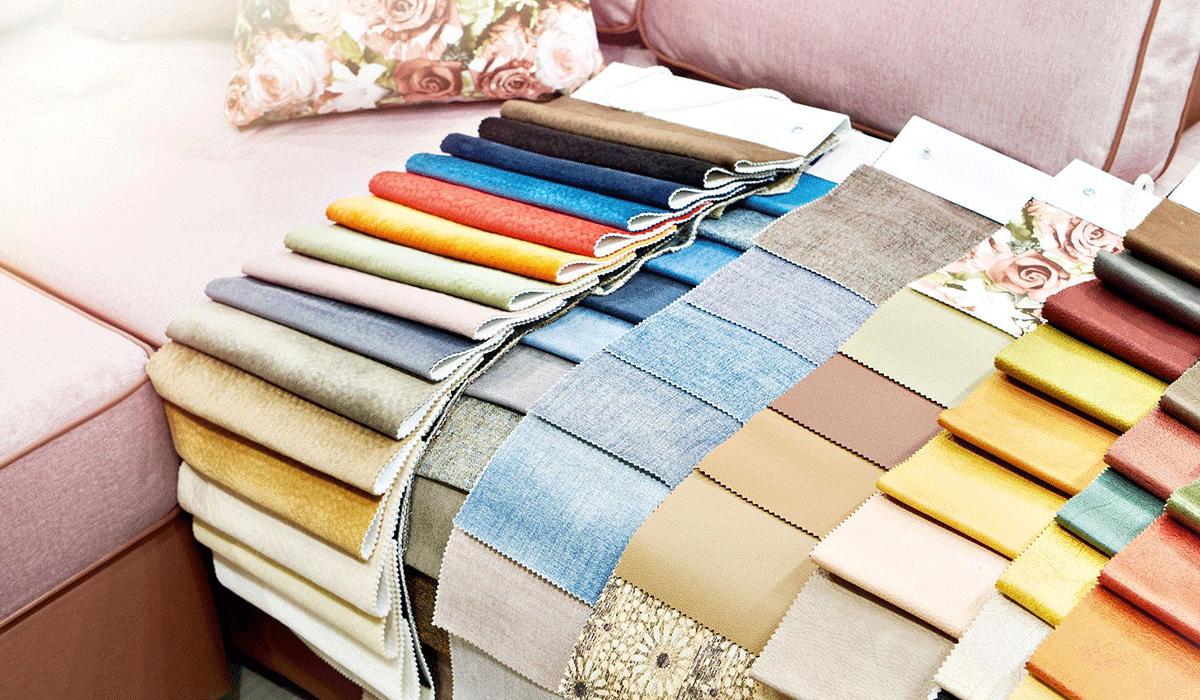
Select the Right Style, Color and Shape
The visual design of a sofa should match the overall interior concept. A highly traditional sofa may look inappropriate in a contemporary minimalist interior, while an extremely modern design may not suit a classical hospitality environment.
Color selection should be evaluated under both natural and artificial lighting. Upholstery samples can appear different depending on the light source, surrounding materials and wall colors.
The shape of the sofa is also important. Common custom configurations include straight sofas, L-shaped sectionals, U-shaped sectionals, chaise longue sofas and modular seating systems.
Buyers should clearly communicate whether the chaise should be positioned on the left or right side and whether the configuration needs to be reversible.
For modular furniture, flexibility can become an important design advantage. Individual sections can potentially be rearranged as the room layout changes, making the sofa more adaptable over its lifetime.
The objective should be to balance appearance with comfort, available space, circulation and practical maintenance rather than selecting a sofa based only on photographs.
Choose the Right Modular Sofa Configuration
One of the main advantages of a modular sofa is the ability to create different configurations from individual components.
A straight configuration can work well against a wall or in a compact living room. An L-shaped configuration can create a defined seating area, while a U-shaped arrangement can provide a larger social space.
Chaise sections are useful when buyers want additional space for reclining, while ottomans can provide flexible seating and can sometimes be used as extensions of the sofa.
For hospitality projects, modular configurations can be particularly useful because furniture layouts may change according to the room function, event requirements or guest capacity.
When ordering, buyers should confirm exactly how the modules connect, whether connectors are included and whether the individual pieces can be separated easily for transportation or future reconfiguration.
Where Can You Buy Custom Modular Sofas Online?
There are several different purchasing models available to buyers looking for custom sofas.
B2C e-commerce platforms such as IKEA, Amazon and Wayfair are convenient for purchasing finished furniture. They offer a wide range of products and can be suitable when standard sizes and designs are sufficient.
However, online customization through traditional B2C platforms may be limited compared with direct communication with a furniture manufacturer.
B2B platforms such as Alibaba and Made-in-China provide access to a larger number of manufacturers and suppliers. These platforms can be useful for buyers looking for customized furniture, OEM production or larger quantities.
O2O furniture companies such as Homekoo, Holike and Oppein focus heavily on whole-house customization and integrated interior solutions. These models can be useful for larger projects but may not always be the most efficient option for a single customized sofa.
Factory-to-customer sourcing can provide another option for buyers who want greater control over specifications, materials and production. Direct communication with a manufacturer can reduce unnecessary intermediaries and make customization discussions more straightforward.
Inspect the Sofa Before Mass Production
Customization makes quality control even more important because the finished product may be different from a standard catalogue model.
Before approving mass production, buyers should check the prototype or sample against the original drawings and specifications.
Important points include overall dimensions, frame construction, upholstery color, stitching, cushion firmness, module connections, leg design and finishing quality.
For international orders, buyers should also verify packaging. A well-designed sofa can still arrive damaged if the packaging does not adequately protect the product during international transportation.
Photographs, videos and inspection reports can help document the approved sample and provide a reference for mass production.
For larger projects, independent inspection or an experienced local sourcing partner can provide an additional level of quality control before shipment.
Prepare Your Custom Sofa Requirements
Clear specifications make communication with the manufacturer much easier.
- Define the intended use of the sofa.
- Measure the available room accurately.
- Determine the required total dimensions.
- Choose the preferred sectional configuration.
- Select upholstery material and color.
- Define frame and cushion requirements.
- Prepare drawings or reference images.
- Set a target budget.
- Determine expected order quantity.
- Confirm delivery and installation requirements.
Check the Manufacturer
A reliable custom sofa manufacturer should be evaluated beyond catalogue photographs and online reviews.
- Confirm the supplier has real upholstered furniture production capability.
- Ask about frame construction.
- Confirm cushion and foam specifications.
- Check upholstery and material options.
- Ask about customization capabilities.
- Review previous customized projects.
- Confirm MOQ requirements.
- Ask about production lead times.
- Discuss packaging and export experience.
- Request a sample or prototype before mass production.
Inspect Before Shipment
The final inspection should confirm that production matches the approved design and specifications.
- Check overall dimensions.
- Verify upholstery color and material.
- Inspect stitching and seams.
- Check frame stability.
- Evaluate cushion firmness and comfort.
- Check module connectors.
- Inspect legs and structural components.
- Confirm packaging quality.
- Compare finished products with the approved sample.
- Document defects before shipment.
The best custom sofa is not simply the one with the most attractive design. It is the one that fits the space, meets the required specifications and can be manufactured consistently.
Custom sectional modular sofas provide buyers with much more flexibility than standard furniture. They allow the dimensions, configuration, upholstery, materials and overall appearance to be adapted to the requirements of a particular room or project.
For homeowners, this flexibility can help create a living room that uses available space more efficiently. For hotels, restaurants, offices and other commercial projects, customization can also help create a stronger and more consistent interior identity.
However, customization also requires better communication between the buyer and manufacturer. Dimensions, materials, construction, colors, configuration and quality requirements should all be clearly defined before production begins.
When looking for custom sofa makers, buyers should evaluate more than brand popularity. Manufacturing capability, material quality, customization experience, communication, quality control and after-sales support can have a much greater influence on the success of a project.
For buyers sourcing from China, platforms such as Alibaba and Made-in-China can provide access to many suppliers, but direct communication, sample approval and factory verification remain important steps before committing to large orders.
Ultimately, the right custom modular sofa is a balance between design, comfort, dimensions, durability, logistics and price. Taking the time to define your requirements and evaluate the manufacturer properly can significantly reduce sourcing risks and produce a better final result.
If you are looking for a furniture manufacturing partner in China for customized sectional sofas, hospitality furniture or residential projects, Lohabour can discuss your specifications, materials, dimensions and production requirements with you.
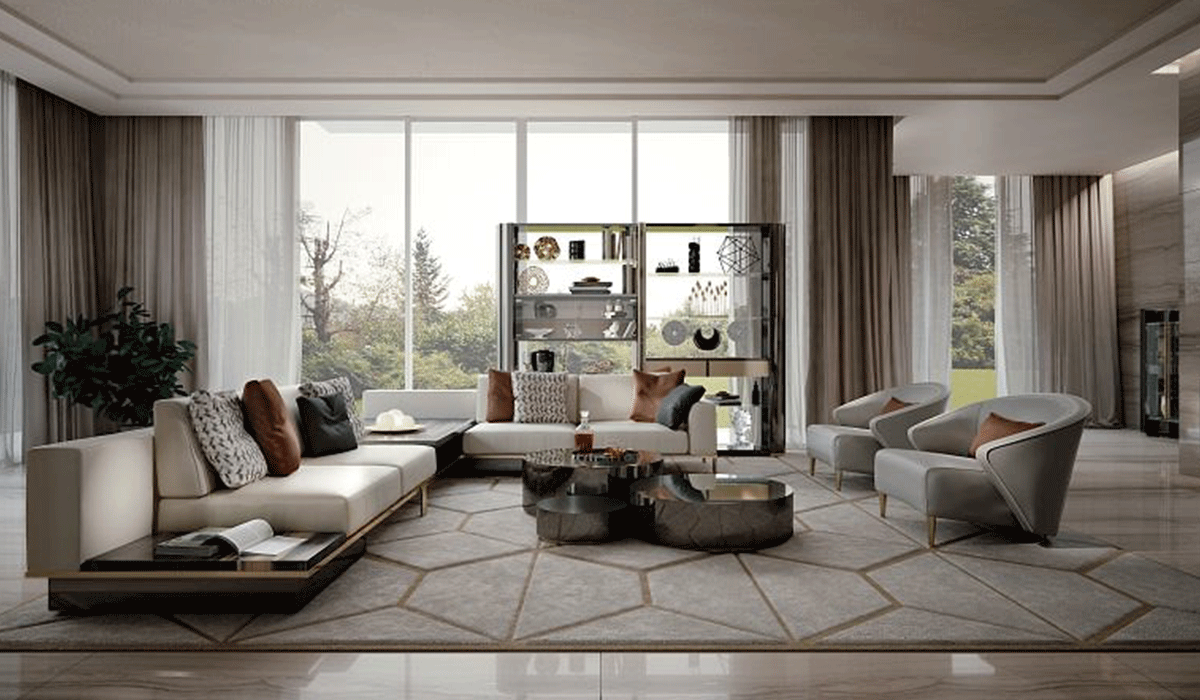
A custom sectional modular sofa is a sofa system made from individual modules that can be combined into different configurations. Buyers can often customize dimensions, upholstery, colors, materials and the arrangement of the modules.
You can search local furniture manufacturers, upholstery workshops and custom furniture companies, or work directly with manufacturers through B2B sourcing platforms. For larger projects, visiting the manufacturer or using a local inspection service can help verify production capabilities.
Yes. Many custom sofa manufacturers can modify the dimensions of individual modules or create completely customized configurations. The exact customization options depend on the manufacturer and production system.
Common materials include fabric, leather and other upholstery materials, combined with different frame, foam and filling constructions. Commercial projects may require additional specifications such as abrasion resistance, stain resistance or fire-safety performance.
Yes. Modular sofas can be particularly useful in hospitality environments because their configurations can be adapted to different room layouts. For commercial projects, durability, cleaning requirements, safety standards and maintenance should be considered carefully.
Yes. China has a large upholstered furniture manufacturing industry and many manufacturers provide OEM and customized production. Buyers should carefully evaluate supplier capabilities, samples, specifications, quality control and export experience before placing large orders.
For customized or large-volume orders, approving a prototype or sample before mass production is strongly recommended. It allows the buyer to verify dimensions, materials, upholstery, comfort, construction and finishing before production is scaled up.
Alibaba can be useful for discovering furniture manufacturers and suppliers, particularly for customized and bulk orders. However, buyers should not rely only on the supplier profile. Samples, factory verification, detailed specifications and quality control are important before placing significant orders.
Looking for a Custom Sofa Manufacturer in China?
Lohabour works with international buyers, furniture retailers, hospitality projects and commercial developments. Our capabilities include customized upholstered furniture, sectional sofas and modular seating solutions designed around specific dimensions, materials and project requirements.
Discover Our Products