
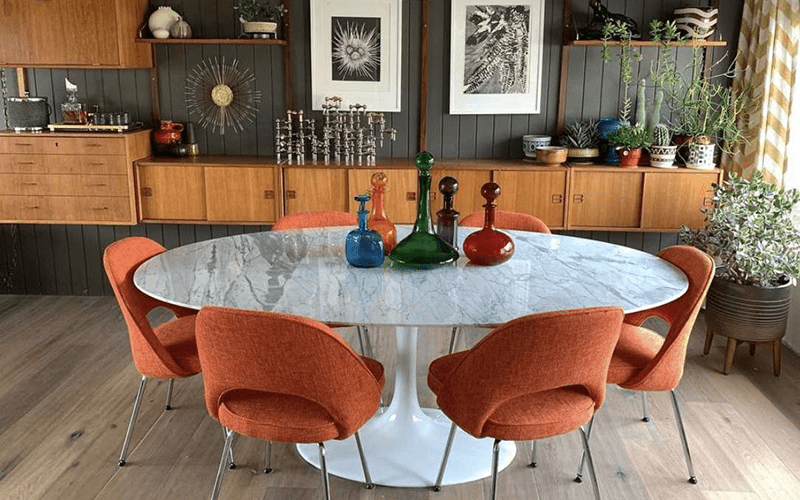
A beautiful and stylish dining room can create a warm and comfortable atmosphere while making everyday meals more enjoyable. The dining table is often the visual and functional center of the room, and the right combination of shape, material and size can have a significant impact on how the space feels and functions.
Dining tables are available in many different styles and materials. From independent rectangular and round tables to island and bar-counter solutions, each configuration is suited to different spaces and lifestyles.
The material also plays an important role. Wood provides warmth and natural texture, stone creates a more sophisticated appearance, while glass and metal can give a room a lighter and more contemporary character.
Choosing the right table therefore requires more than simply selecting a design that looks attractive. Size, room layout, decoration style, daily use, stability, seating requirements and maintenance should all be considered before making a purchase.
The right dining table is not only a piece of furniture. It should balance design, proportion, comfort, durability and the way the space is actually used.
This guide looks at the main dining table styles and materials, explains how to choose a suitable table and provides practical maintenance advice for common materials.
Choose a Dining Table Style for Your Space
Dining tables can be divided into several common configurations. The right choice depends largely on the available space, the layout of the kitchen and dining area, and the way the table will be used.
Independent dining tables are among the most versatile options. Square and rectangular tables can work in a wide range of rooms and interior styles, while round tables create a more formal and visually softer dining environment. Round dining tables are particularly suitable for larger rooms and classical, Chinese or European-inspired interiors.
An island dining table can be integrated directly with a kitchen island. This solution is particularly suitable for large open-plan kitchens and dining areas. Connecting the dining surface to the island can create a high-end appearance while also extending the usable preparation and dining area of the kitchen.
For smaller homes or apartments without a dedicated dining room, a bar-counter table can make better use of limited space. A countertop can be integrated into the kitchen or positioned between the kitchen and living area, creating a compact dining solution that works especially well with open-plan kitchens.
The best configuration is therefore not necessarily the largest or most impressive table. It is the one that fits naturally into the room while providing sufficient seating and maintaining comfortable circulation around it.
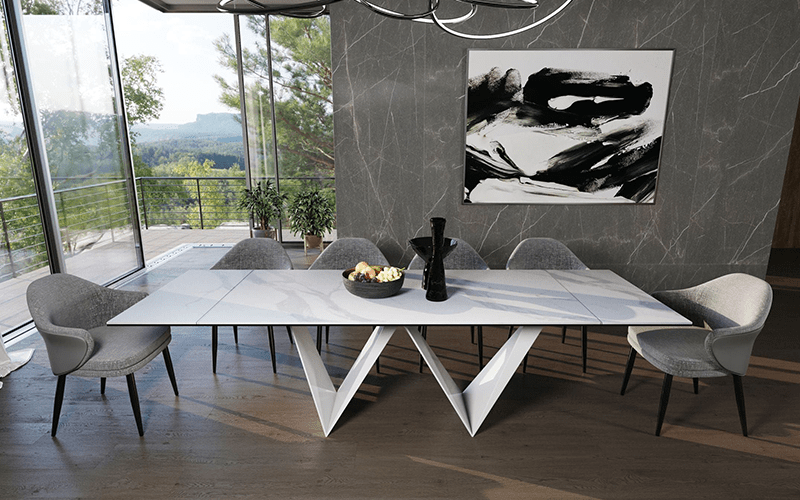
Understanding Wood, Stone, Glass and Metal Dining Tables
The material of a dining table has a major influence on its appearance, durability, maintenance requirements and relationship with the surrounding furniture.
Wooden dining tables can generally be divided into solid wood and engineered-board construction. Solid wood remains one of the most popular choices because of its warm appearance, natural texture and long service life when properly manufactured and maintained.
Modern wooden tables can use a wide range of species and finishes. Oak, walnut, beech, cherry and acacia are common choices, while pine can provide a more economical alternative. Veneer is also widely used in contemporary furniture because it can reproduce the appearance of natural wood while reducing material cost.
When selecting a solid wood table, buyers should inspect the surface for cracks and other defects and pay attention to the overall construction and weight. Wood density, joinery and finishing quality are generally more important than simply choosing the heaviest table.
Engineered boards such as particleboard can provide a lower-cost solution, but they generally require more care around moisture and may not offer the same long-term durability as a well-made solid wood table.
Stone dining tables provide a more modern and sophisticated appearance. Common options include marble, sintered stone, ceramic and terrazzo. Marble offers a distinctive natural pattern, a smooth surface and good resistance to everyday wear, but it is heavy and can be vulnerable to impact, staining and penetration if it is not properly sealed and maintained.
Sintered stone can provide a stone-like appearance while offering strong resistance to stains and everyday use. Its relatively thin construction can also create a lighter visual appearance than traditional stone slabs.
Ceramic dining tables have become increasingly popular because they offer a durable surface that is relatively easy to clean and resistant to heat. However, high-quality ceramic surfaces can be more expensive and the available designs may be more limited depending on the market.
Terrazzo offers a more distinctive and decorative appearance, with a textured character that can work particularly well in contemporary or retro-inspired interiors.
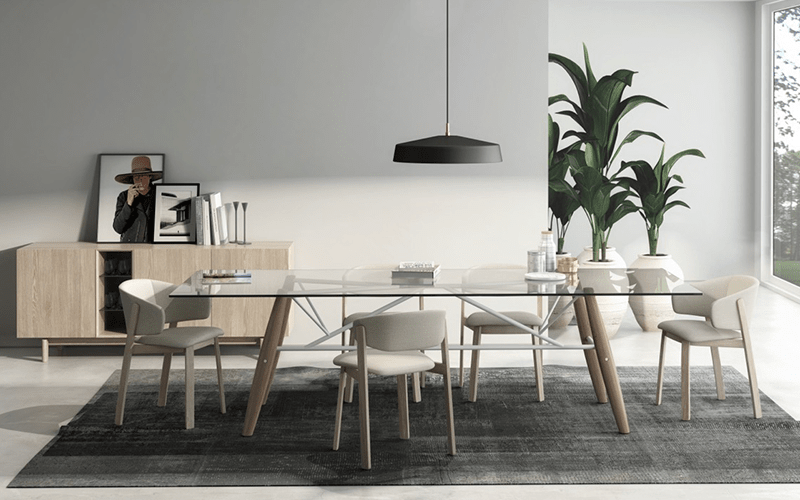
Glass and metal tables are particularly suitable for modern interiors. Glass creates transparency and can make a small room appear more open, while metal components such as stainless steel can provide strength, corrosion resistance and a contemporary industrial appearance.
Regardless of the tabletop material, the structure underneath is equally important. Well-designed solid wood or metal legs can provide the stability and load-bearing capacity required for everyday use.
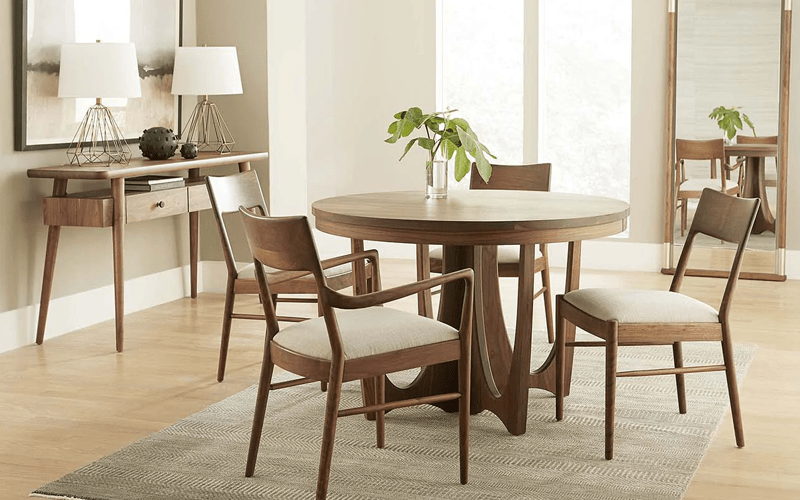
How to Choose the Right Dining Table
After considering styles and materials, the next step is to select a dining table that fits the actual room and the way it will be used.
The first consideration should be the size of the dining area. A table that is too large can make a room feel crowded, while a table that is too small may look disproportionate and fail to provide enough usable space.
For smaller homes, thin-leg tables, extendable tables and folding tables can provide additional flexibility. They can occupy less space during everyday use while allowing additional seating when family members or guests come for a meal.
A typical dining table height is around 75 to 80 cm, while dining chairs are generally around 45 cm high. The required table length depends on the number of people and the amount of space needed for tableware and serving items.
For four people, a table length of approximately 1.4 to 1.6 metres can provide comfortable usable space. For six people, approximately 1.8 to 2.1 metres may be appropriate depending on the design and seating arrangement. These dimensions should always be adapted to the specific table design and available room space.
Square and rectangular tables should provide enough width for comfortable place settings and circulation. Round tables are generally selected according to diameter and can be particularly useful when a more social seating arrangement is desired.
The decoration style of the room is another important consideration. The dining table should complement the surrounding furniture rather than appearing visually disconnected from it. Natural and understated interiors often work well with restrained wood tones, while modern and luxury interiors may benefit from stone, ceramic, glass or metal combinations.
Actual household requirements should also influence the decision. A large rectangular table may be useful for people who regularly work from home because it can function as both a dining and working surface.
Families with young children or elderly members should pay particular attention to safety. Rounded corners, stable construction and appropriate materials can reduce potential risks during everyday use.
Stability is determined by the overall structure of the table and especially by its base and legs. Central-column bases save space around the perimeter and can provide more freedom for seating, but their stability depends heavily on the quality of the base design.
Traditional four-leg or standard leg structures are widely used because they provide good stability and leave useful space underneath the table. A-shaped legs can provide a strong and fashionable appearance, although they may occupy more space and interfere with chairs or legroom depending on their geometry.
Dining chairs should also be considered together with the table. Buying a complete table-and-chair set makes it easier to maintain a consistent design, while selecting the chairs separately allows more freedom to create a personalized interior.
Whenever possible, buyers should test the table and chairs before purchasing. Sitting at the table helps determine whether the height, legroom, seat position and overall proportions are comfortable for the people who will use them.
For smaller spaces, stackable chairs and flexible furniture can also be useful because they make cleaning, storage and occasional entertaining easier.
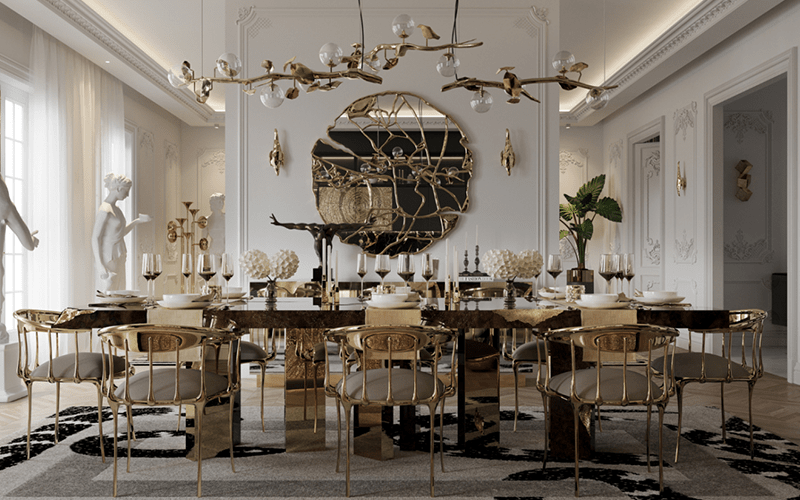
How to Maintain Different Dining Table Materials
Different dining table materials require different maintenance methods. Regular and appropriate care can help preserve the appearance and service life of the furniture.
Wooden dining tables can generally be cleaned with a soft damp cloth. For stains, a mild neutral cleaning product can be used carefully. Strong alcohol-based or aggressive chemical cleaners should be avoided because they can damage certain finishes.
Minor scratches on some wooden surfaces may be treated by carefully sanding the affected area with fine sandpaper and applying an appropriate furniture-care or protective oil afterward. Excessive heat and high humidity should also be avoided because they can affect the wood and its finish.
Marble requires particular attention because porous stone can absorb liquids and become stained. Spills should therefore be cleaned promptly. Very hot objects should not be placed directly on the surface without suitable protection, and heavy impacts should be avoided because marble can chip or crack.
Glass dining tables are relatively easy to clean but should be handled carefully. A tablecloth or protective surface can help reduce the risk of scratches, while objects should be placed gently on the tabletop rather than dropped or dragged across it.
For routine glass cleaning, an appropriate glass cleaner and soft cloth can be used to maintain a clear and streak-free surface. Particular care should be taken with tempered glass because although it is designed for safety and everyday use, severe impact or certain forms of damage can still cause failure.
Regular inspection of the tabletop, joints, legs and fixing points is also recommended. Loose components should be repaired before they develop into larger structural problems.
Dining Table Selection Checklist
Before purchasing a dining table, check the room, the intended use and the construction quality.
- Measure the available dining area.
- Check the space required for chairs and circulation.
- Determine how many people normally use the table.
- Consider whether an extendable or folding table is useful.
- Choose a shape that works with the room layout.
- Match the table material with the interior design.
- Consider the maintenance requirements of the material.
- Check the quality of the tabletop and finish.
- Inspect the legs, joints and base for stability.
- Consider dining chair height and legroom.
Choose the Right Material
Different materials provide different combinations of appearance, durability, cost and maintenance.
- Choose solid wood for warmth and natural texture.
- Consider veneer when a wood appearance is required at a lower material cost.
- Consider marble for a distinctive and sophisticated appearance.
- Consider sintered stone for strong stain and everyday-use resistance.
- Consider ceramic for a durable and easy-to-clean surface.
- Consider terrazzo for a more decorative and distinctive appearance.
- Consider glass when visual lightness and transparency are important.
- Consider stainless steel or other suitable metals for modern and industrial designs.
- Check the compatibility of the tabletop with the base and leg structure.
Protect Your Dining Table
Simple daily care can significantly extend the appearance and usable life of a dining table.
- Clean spills as soon as possible.
- Use cleaning products appropriate for the specific material.
- Avoid aggressive chemical cleaners on finished wood surfaces.
- Protect wood from excessive heat and humidity.
- Protect marble from staining and direct high heat.
- Avoid heavy impacts on stone surfaces.
- Use protective mats or tablecloths where appropriate.
- Place objects carefully on glass surfaces.
- Clean glass with a suitable glass cleaner and soft cloth.
- Regularly check the legs, joints and structural connections.
A good dining table combines the right proportions, materials, structure and maintenance requirements with the way the space is actually used.
Choosing a dining table should be approached as a combination of design, functionality and long-term practicality. A beautiful table is important, but it also needs to fit the room, accommodate the required number of people and remain comfortable during everyday use.
The first decision is usually the configuration. Independent square, rectangular and round tables offer flexibility, while island and bar-counter tables can make better use of open-plan kitchens and smaller spaces.
Material selection is equally important. Wood provides warmth and natural character, stone and ceramic can create a more sophisticated appearance, while glass and metal offer a lighter and more contemporary visual language.
The purchasing decision should then consider dimensions, decoration style, household requirements, stability, legroom and dining chairs. Buyers should not judge a table only by its appearance. Construction quality and everyday usability are equally important.
Maintenance should also be considered before purchasing. Wood, marble, glass and other materials each require different cleaning and protection methods. Understanding these requirements in advance can help prevent avoidable damage and preserve the appearance of the furniture.
Ultimately, the best dining table is one that balances aesthetics, comfort, durability and practicality. Whether for a private residence, hospitality project or commercial interior, careful selection of materials and construction can make the dining table a long-lasting and functional centerpiece of the space.
If you are looking for customized dining tables or other furniture for a residential, hospitality or commercial project, Lohabour can support your requirements through customized furniture manufacturing and project-based production.
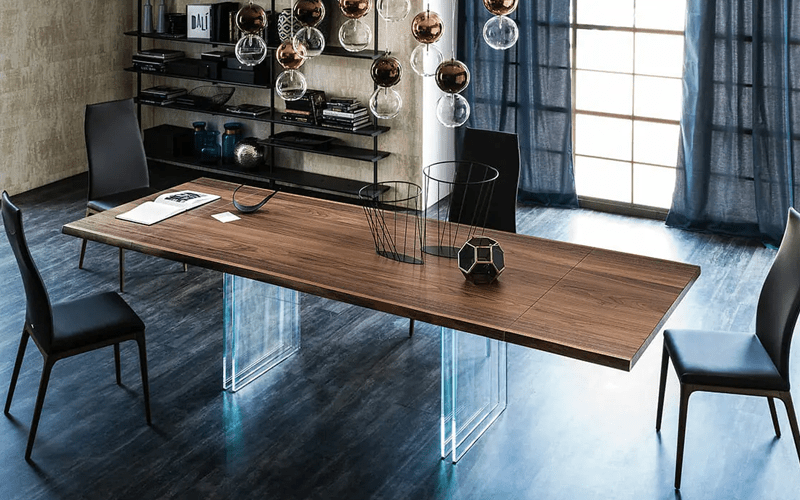
There is no single best material for every application. Solid wood provides warmth and natural texture, marble and other stone materials offer a sophisticated appearance, ceramic and sintered stone provide durable surfaces, while glass and metal are particularly suitable for modern interiors. The best choice depends on the room, budget, usage and maintenance requirements.
Start by measuring the dining area and allowing enough space for chairs and comfortable circulation. The table should provide sufficient seating without overwhelming the room. The required dimensions also depend on the number of people and whether additional serving or working space is required.
Yes. A round dining table can work well in a smaller room because its lack of corners can make circulation easier. The diameter should nevertheless be selected according to the available floor area and the number of people who need to sit at the table.
Solid wood generally offers a more natural appearance and can provide excellent durability when properly manufactured and maintained. Particleboard can be a more economical option, but it generally requires greater care around moisture and may not offer the same long-term durability.
Consider stability, load-bearing capacity, legroom and the amount of space occupied by the base. Central-column bases can provide more freedom around the perimeter, standard legs are versatile and stable, while A-shaped legs can provide a strong contemporary appearance but may reduce usable legroom depending on their design.
A wooden dining table can generally be cleaned with a soft damp cloth. Mild neutral cleaning products can be used for stains when compatible with the finish. Strong chemical cleaners and excessive moisture should be avoided, and the table should be protected from excessive heat and humidity.
Spills should be cleaned promptly because marble can absorb liquids and become stained. Hot objects should be placed on suitable protection rather than directly on the surface, and heavy impacts should be avoided because marble can chip or crack.
Yes. Glass can create a visually lighter and more open appearance because of its transparency, which can be useful in smaller spaces. Buyers should nevertheless pay attention to the quality, thickness and construction of the glass and handle the surface carefully.
Looking for Customized Dining Tables for Your Project?
Lohabour manufactures customized furniture for residential, hospitality and commercial projects, including wooden, stone, ceramic, glass and metal dining table solutions tailored to project requirements.
Discover Our Products