
The living room is the heart of any home, a space where family and friends gather, memories are made, and relaxation is cherished.
Designing the perfect living room involves more than simply choosing a sofa and a coffee table. The furniture needs to work together through style, color, proportion, material, comfort and functionality.
A well-matched living room does not necessarily mean that every furniture piece comes from the same collection or has exactly the same finish. In many successful interiors, different pieces are connected through common visual elements while retaining enough variation to create personality.
This guide explores the art and practical considerations behind matching living room furniture. From understanding interior styles and color harmony to selecting sofas, coffee tables, accent chairs, storage solutions and decorative elements, the objective is to help create a living room that feels cohesive, comfortable and functional.
A well-matched living room is not about making every piece identical — it is about creating a visual relationship between them.
By considering room proportions, furniture scale, color, materials, lighting, circulation and lifestyle requirements, you can create a living room that feels intentional without becoming overly coordinated.
Setting the Foundation: Understanding Interior Styles
Before choosing individual furniture pieces, it is important to understand the overall interior style you want to create.
Modern, contemporary, traditional, industrial, rustic and eclectic interiors each have their own characteristics, proportions, materials and color palettes.
Modern interiors generally emphasize clean lines, simple forms, neutral colors and functional furniture. Traditional interiors often introduce richer colors, detailed craftsmanship and classic furniture silhouettes.
Contemporary interiors can combine current design trends with different materials and textures, while eclectic interiors intentionally mix furniture from different periods and styles.
Choosing a clear design direction at the beginning makes it easier to determine which furniture pieces belong together and which combinations may create visual conflict.
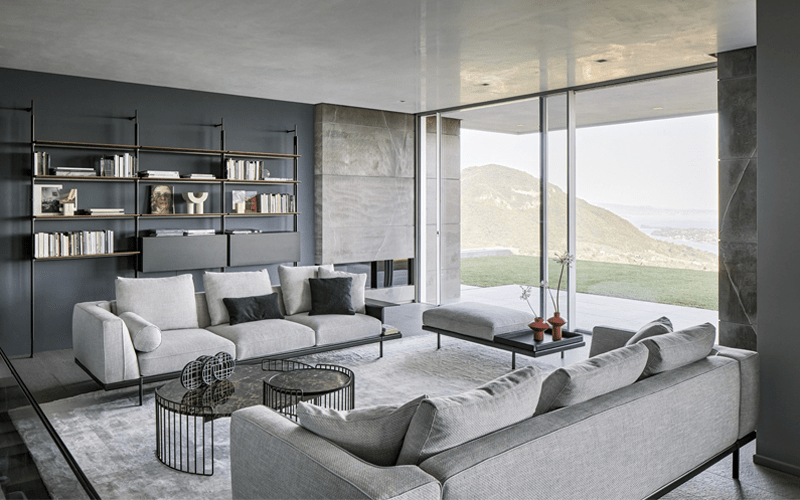
Matching Modern and Minimalist Living Room Furniture
Modern living rooms generally rely on clean lines, controlled proportions and a limited number of visual elements.
Sofas with simple silhouettes can be combined with streamlined coffee tables, minimal side tables and storage units with clean geometric forms.
Neutral colors such as white, beige, gray and charcoal are often effective because they allow furniture shapes and materials to become the main visual focus.
Wood, glass, metal and upholstered fabrics can be combined successfully as long as their proportions and finishes remain visually compatible.
Minimalist design does not mean that every furniture piece needs to look identical. Instead, each element should have a clear purpose and enough space around it to remain visually readable.
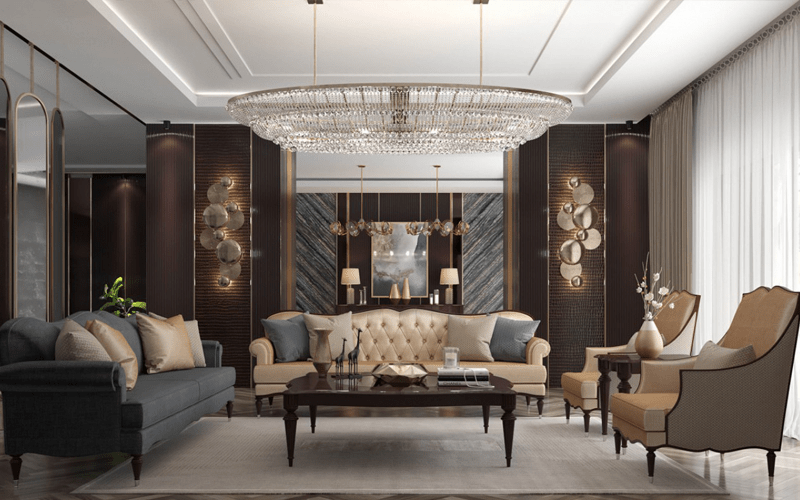
Matching Classic and Traditional Furniture
Traditional living rooms often emphasize timeless elegance, craftsmanship and richer material details.
Classic sofas can be combined with wooden coffee tables, upholstered armchairs, decorative side tables and furniture with more detailed profiles.
Rich wood finishes such as walnut, cherry and mahogany can introduce warmth and depth into the room.
Traditional interiors can also use patterned fabrics, decorative cushions and classic rugs to strengthen the overall character.
The key is to maintain consistency in the visual language. Furniture does not need to come from one collection, but its proportions, materials and level of detail should feel compatible.
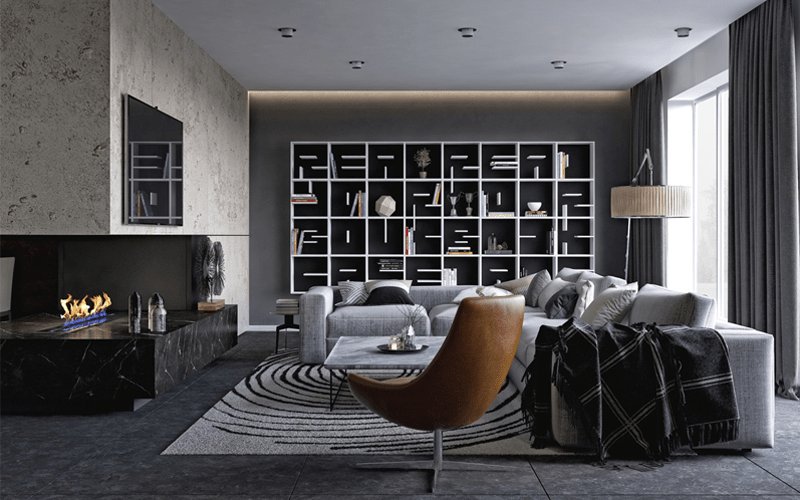
Combining Contemporary and Eclectic Furniture Styles
Contemporary interiors provide greater freedom to combine different materials, colors and furniture forms.
An eclectic living room can intentionally mix furniture from different eras or design traditions, but the combination should still have a clear visual connection.
One effective strategy is to repeat a color, material or shape across several pieces. For example, a dark wood coffee table can be visually connected to a wooden side table or a darker furniture frame.
Another approach is to combine contrasting furniture styles while maintaining similar proportions. A contemporary sofa can work with a vintage-inspired armchair if both pieces have compatible scale and are connected through color or texture.
The objective is controlled variety rather than randomness.
Mastering the Art of Color Harmony
Color is one of the most important tools for creating relationships between different furniture pieces.
Warm colors such as red, orange and yellow can create energy and warmth, while cool colors such as blue and green can introduce a calmer atmosphere.
Neutral colors such as beige, gray and white provide a flexible foundation and allow stronger accent colors to be introduced without overwhelming the room.
A useful approach is to select one dominant color, one or two supporting colors and a neutral base. This creates enough variety while maintaining visual consistency.
Furniture colors should also be considered together with wall colors, flooring, curtains, rugs and decorative accessories rather than selected independently.
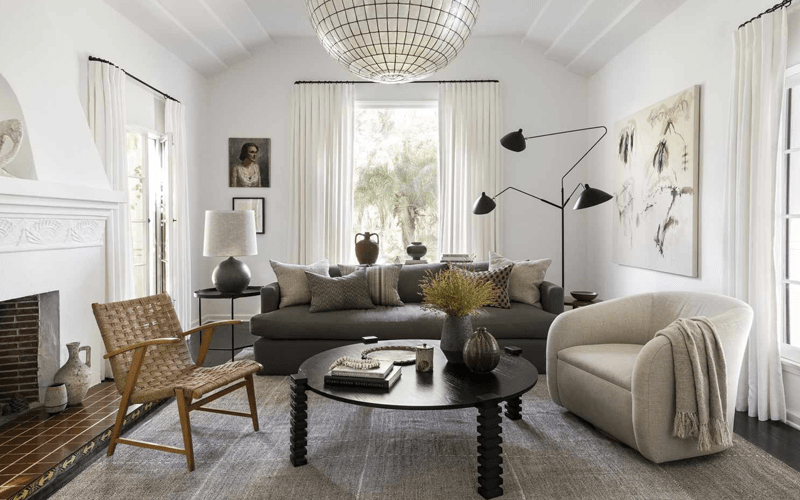
Using Neutral Furniture as a Foundation
Neutral furniture is one of the easiest ways to create a flexible living room because it can accommodate many different accent colors and decorative styles.
Beige sofas and sectionals create a warm and timeless foundation. Gray furniture can provide a more contemporary appearance and works with both warm and cool color palettes.
White furniture creates an airy and spacious atmosphere, although it may require additional maintenance in high-use areas.
Large furniture pieces such as sofas are generally easier to coordinate when they remain within a neutral or restrained palette. Stronger colors can then be introduced through accent chairs, cushions, rugs and artwork.
This approach also makes it easier to update the appearance of the room in the future without replacing the main furniture pieces.
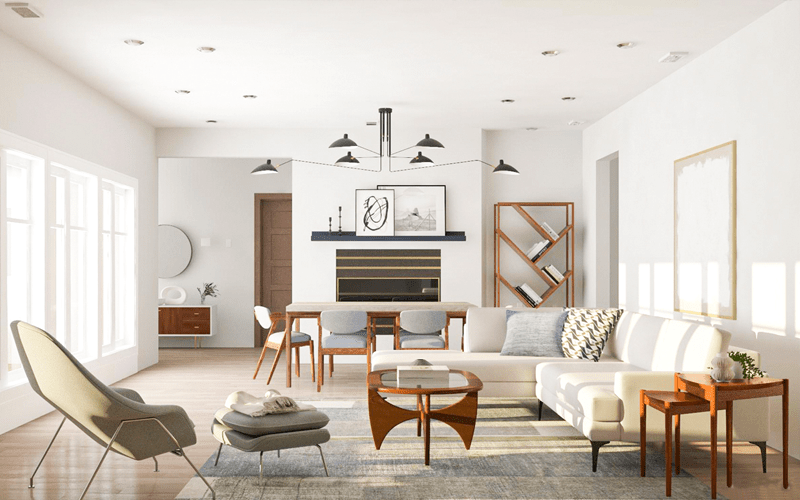
Introducing Accent Colors Without Overwhelming the Room
Accent colors are useful for creating focal points and adding personality to a living room.
Teal can introduce a sophisticated blue-green accent, while mustard yellow can provide warmth and energy against neutral furniture.
Charcoal gray can add depth through side tables, ottomans or smaller furniture pieces. Blush pink can introduce a softer and warmer accent in contemporary interiors.
Accent colors should generally be repeated in several places so that they feel intentionally connected. For example, a teal accent chair can be supported by teal cushions, artwork or decorative accessories.
The strongest accent colors are often most effective when used on smaller elements rather than every major furniture piece.
Combining Wood, Fabric, Leather, Glass and Metal
Matching furniture is not only about color. Materials and textures have a major influence on how furniture pieces relate to each other.
Wood introduces natural warmth and texture. Fabric can create softness and visual comfort, while leather provides a more structured and durable appearance.
Glass can make furniture feel lighter and can be particularly useful in smaller living rooms. Metal elements can introduce a contemporary or industrial character depending on their finish.
Combining different materials can make a living room more interesting than using one material throughout the entire space.
The key is to repeat certain materials or finishes. A wood coffee table can connect visually with wooden furniture details elsewhere in the room, while metal legs on an accent chair can echo the frame of a side table or lighting fixture.
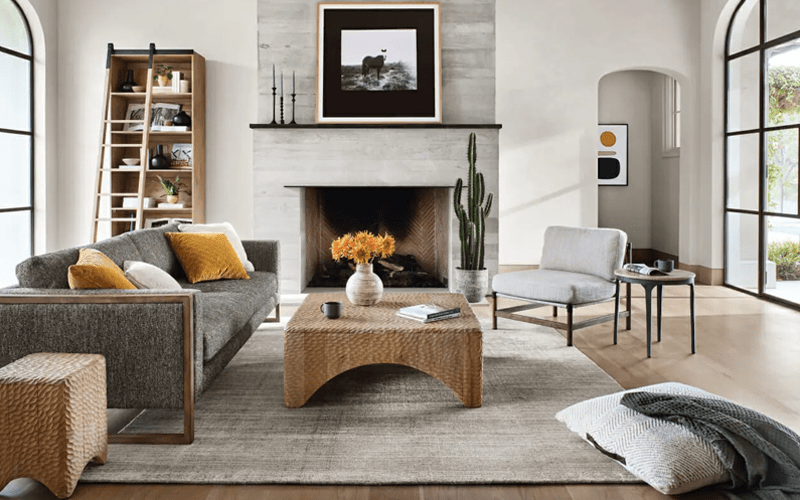
Choosing the Perfect Sofa for the Room
The sofa is usually the visual and functional centerpiece of a living room. Its size, shape and material influence almost every other furniture decision.
In smaller living rooms, compact sofas can maximize seating without overcrowding the available floor area.
L-shaped sofas and sectional configurations can work particularly well in larger spaces or open-plan interiors because they help define the seating zone.
The sofa should also be proportional to the room. A very large sectional can dominate a small space, while a small sofa may look disconnected in a large open room.
Before purchasing a sofa, measure the available space, doorways, corridors and stairways. A sofa that fits the floor plan still needs to be physically delivered into the room.
Choosing Between Fabric and Leather
The choice between fabric and leather depends on lifestyle, maintenance expectations, comfort and design preferences.
Fabric sofas offer a wide range of colors, patterns and textures. They can create a softer and more relaxed atmosphere and provide considerable flexibility for customization.
Leather sofas offer a more structured appearance and can develop a distinctive character over time. They are also available in a range of colors and finishes, from natural brown tones to contemporary black and lighter shades.
Households should consider cleaning requirements, usage frequency, pets, children and the desired visual character before choosing the upholstery material.
The upholstery should also coordinate with the other textiles in the room, including curtains, cushions and rugs.
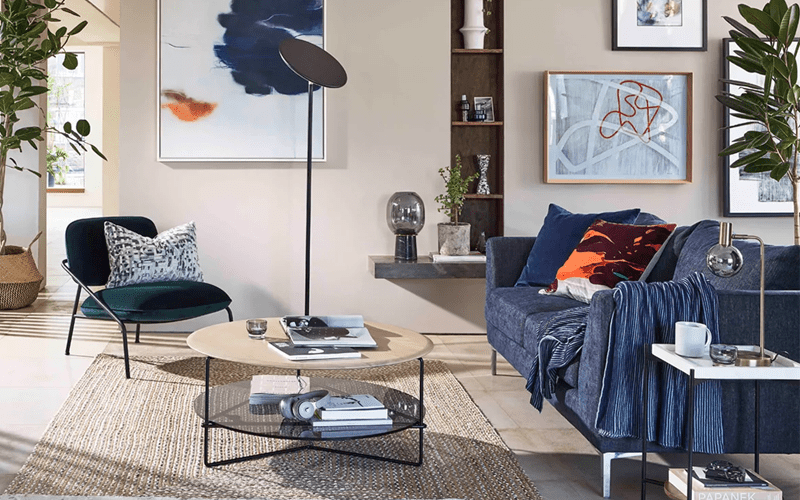
Using Sectionals and Sleeper Sofas for Flexible Living
Living room furniture increasingly needs to perform multiple functions, particularly in apartments and compact homes.
Sleeper sofas can provide additional sleeping space for guests without requiring a dedicated guest room.
Sectional sofas can adapt to different layouts and provide multiple seating positions for families and larger groups.
Modular furniture can offer even greater flexibility because individual sections can sometimes be rearranged as the room changes.
When selecting multifunctional furniture, comfort should remain a priority. A piece that provides multiple functions but is uncomfortable for everyday use may not be the best long-term solution.
Matching the Coffee Table with the Sofa
The coffee table is one of the most important pieces for connecting the sofa with the rest of the living room.
Glass coffee tables can create a lighter and more contemporary appearance and may help smaller rooms feel visually more open.
Wooden coffee tables provide warmth and can connect naturally with wooden floors, shelves, cabinets and other furniture elements.
The shape of the coffee table should also relate to the sofa. Rectangular tables work naturally with many straight sofas, while round or oval tables can soften rooms dominated by angular furniture.
The table should be appropriately scaled. It should be close enough to the sofa to remain functional without restricting circulation or making the seating area feel crowded.
Adding Accent Chairs and Side Tables
Accent chairs provide additional seating while creating opportunities to introduce a different color, material or silhouette.
An accent chair does not necessarily need to match the sofa exactly. In many interiors, contrast creates more visual interest.
A neutral sofa can be paired with a bold patterned chair or a chair in a complementary accent color.
Side tables provide convenient surfaces for drinks, books, lighting and decorative objects. They should be proportionate to the adjacent sofa or chair and should not obstruct movement.
Repeating materials between accent chairs and side tables can help connect different furniture pieces even when their designs are different.
Matching Entertainment Units and Storage Furniture
Entertainment units, bookshelves, cabinets and ottomans play an important role in maintaining an organized living room.
An entertainment unit should complement the sofa and coffee table rather than compete with them for attention.
Wood finishes can be repeated across a TV console, coffee table and shelving to create continuity.
Closed cabinets are useful for hiding electronics, games and everyday clutter, while open shelving can display books, artwork and decorative objects.
Storage furniture should also respect the room proportions. Oversized cabinets can make a small living room feel crowded, while insufficient storage can result in visible clutter.
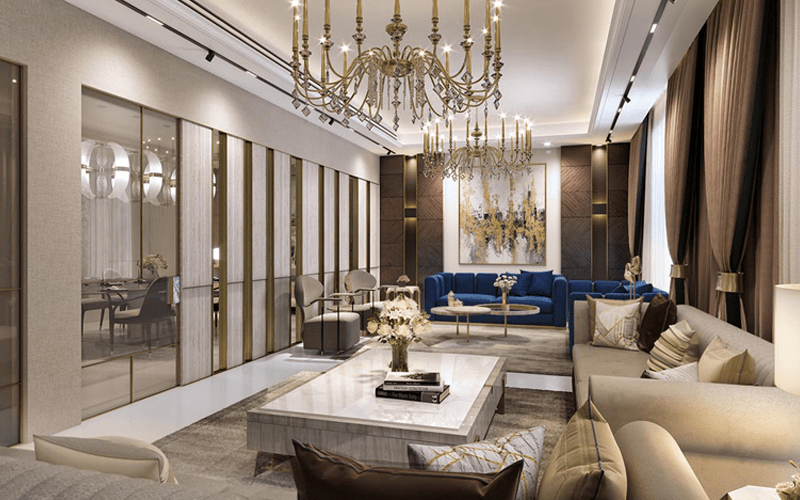
Using Rugs, Cushions, Throws and Artwork
Accessories provide the finishing layer of a living room and can help connect furniture pieces that are different in style or material.
Rugs can define the seating zone and visually anchor the sofa, coffee table and accent chairs.
Throw pillows and blankets can introduce color and texture without requiring major furniture changes.
Wall art, mirrors and decorative objects can reinforce the room's color palette and create additional visual focal points.
Instead of matching every accessory exactly, repeat colors and textures in different forms. A color appearing in a cushion can reappear subtly in artwork or a rug, creating cohesion without repetition becoming predictable.
Creating the Right Ambiance with Lighting
Lighting can dramatically change how furniture colors, materials and textures are perceived.
A combination of ceiling lighting, floor lamps, table lamps and natural light creates a layered lighting system that can adapt to different situations.
Warm lighting can emphasize wood tones and create a comfortable evening atmosphere, while brighter neutral lighting can provide a more functional environment during the day.
Lighting fixtures should also form part of the furniture composition. Metal finishes, wood details or fabric shades can repeat materials already present in the room.
Dimmers can provide additional flexibility by allowing the intensity of the light to change depending on whether the room is being used for relaxation, entertaining or everyday activities.
Getting Furniture Scale and Proportions Right
Furniture can match perfectly in color and style yet still look wrong if the proportions are not appropriate for the room.
Large sofas require sufficient surrounding space, while smaller sofas may need additional chairs or tables to create a balanced seating arrangement.
The height of the coffee table should relate comfortably to the sofa seating height, and side tables should be easy to reach from their associated chairs or sofas.
Large rooms can accommodate larger furniture groupings, while smaller spaces benefit from furniture with lighter visual weight and more compact dimensions.
Measuring the room before purchasing furniture is therefore one of the most important steps in creating a successful living room composition.
Planning Traffic Flow and Furniture Placement
A beautiful furniture arrangement still needs to function comfortably in everyday life.
Walking paths should remain clear between doors, windows, seating areas and other frequently used parts of the room.
Furniture should not be positioned only according to wall dimensions. Consider how people enter the room, where they naturally walk and how seating areas interact with one another.
In open-plan spaces, sofas and sectionals can help define different functional zones without requiring physical walls.
A successful layout creates enough space for circulation while keeping the main seating area connected and comfortable.
Balancing Aesthetics with Everyday Function
Living room furniture should look attractive, but it also needs to withstand everyday use.
Families with children or pets may prioritize durable upholstery, easy-clean surfaces and furniture with robust construction.
Homes used for frequent entertaining may require additional seating, flexible tables and accessible storage.
Furniture should also be selected according to the maintenance level that the occupants are realistically willing to provide.
The best living room is therefore not simply the most visually impressive one. It is the room that successfully combines appearance, comfort, durability, maintenance and everyday usability.
Choosing Furniture That Can Adapt Over Time
Living rooms often change as families grow, homes are rearranged or personal preferences evolve.
Furniture with flexible configurations can make it easier to adapt the room without replacing every piece.
Modular sectionals, movable accent chairs, lightweight side tables and multifunctional ottomans can provide additional flexibility.
Neutral large furniture pieces can also create a stable foundation while smaller accessories are changed seasonally or when the interior style evolves.
Choosing adaptable furniture can therefore extend the usefulness of an investment and allow the living room to evolve naturally over time.
Living Room Furniture Matching Checklist
Before purchasing new furniture, evaluate the room as a complete composition rather than selecting individual pieces independently.
- Measure the room and identify the available floor area.
- Measure doorways, corridors and access routes for furniture delivery.
- Determine the interior style you want to achieve.
- Choose the main sofa before selecting smaller furniture pieces.
- Consider the existing floor, walls and architectural elements.
- Select a dominant color and supporting accent colors.
- Check how different materials work together.
- Consider the scale and proportions of every major furniture piece.
- Plan traffic flow and maintain comfortable circulation paths.
- Consider cleaning, durability and long-term maintenance requirements.
- Test upholstery and material samples under actual room lighting.
- Avoid making every furniture piece identical unless a complete matching set is specifically desired.
How to Create a Cohesive Living Room
A successful living room connects furniture through repeated colors, materials, proportions and design details.
- Start with the sofa as the primary seating element.
- Choose a coffee table that relates to the sofa in scale and shape.
- Add accent chairs to introduce additional seating and visual interest.
- Repeat one or two materials across several furniture pieces.
- Use neutral large furniture pieces when maximum flexibility is required.
- Introduce stronger colors through smaller furniture and accessories.
- Use rugs to visually anchor the seating area.
- Connect furniture colors through cushions, artwork and decorative objects.
- Use lighting to enhance furniture materials and create atmosphere.
- Leave enough space for comfortable movement throughout the room.
- Balance visual weight between different sides of the room.
- Choose furniture according to the actual lifestyle of the occupants.
The best-matched living rooms are not collections of identical furniture — they are carefully balanced compositions where every piece has a relationship with the others.
Matching living room furniture is ultimately about creating a relationship between style, color, material, proportion and function.
The sofa may be the centerpiece of the room, but it should not be considered independently. Coffee tables, accent chairs, side tables, storage furniture, rugs, lighting and accessories all contribute to the final composition.
A successful living room does not require every piece to come from the same collection. In fact, carefully combining different furniture styles, materials and finishes can create a more personal and sophisticated interior.
Neutral colors can provide a flexible foundation, while accent colors introduce personality and visual interest. Wood can add warmth, fabric can introduce softness, leather can provide structure and glass or metal can create lighter or more contemporary details.
Proportion and circulation are just as important as appearance. Furniture that is too large can make a room feel crowded, while furniture that is too small can make a large space feel disconnected. Measuring the room and planning the layout before purchasing furniture can prevent many common design problems.
Lighting also plays an important role because it changes how colors and materials are perceived throughout the day. A layered lighting approach can enhance the atmosphere and make the room more adaptable to different activities.
Ultimately, the goal is not to follow a rigid formula but to create a living room that feels coherent, comfortable and appropriate for the people who use it. When furniture is selected according to the room, lifestyle and overall design direction, the result can become a welcoming space where people naturally want to spend time.
No. Furniture does not need to be identical to create a cohesive living room. Pieces can be different as long as they share visual connections through color, material, proportion, shape or overall design style.
Neutral sofa colors such as beige, gray, cream and soft white are generally the most flexible. They provide a foundation that can work with many accent colors, wood finishes and decorative styles.
Consider the sofa size, seating height, room proportions and overall style. Rectangular tables often work well with straight sofas, while round or oval tables can soften rooms with many angular shapes. The table should also leave enough space for comfortable circulation.
Yes. Wood and metal can work very well together. Repeating similar finishes or using one material as a dominant element can help create visual continuity while allowing the different materials to provide contrast.
Accent chairs do not need to match the sofa exactly. A different color, fabric or silhouette can create visual interest. The chair should, however, have some relationship with the sofa through color, material, shape or overall design style.
Use appropriately scaled furniture, lighter colors, visually lighter materials such as glass, and maintain clear circulation paths. Avoid overcrowding the room with too many large furniture pieces.
There is no universal rule, but a practical approach is to use one dominant color, one or two supporting accent colors and neutral tones. Repeating accent colors through furniture and accessories can create a more cohesive result.
Sectionals and sofas can help define the living area within an open-plan space. Furniture should create a clear seating zone while maintaining comfortable circulation between the living room, dining area, kitchen and other functional zones.
Connect different styles through repeated colors, materials, proportions or shapes. For example, a contemporary sofa can work with a more traditional chair when both share compatible colors or materials.
Consider durability, upholstery maintenance, storage requirements, seating capacity, circulation and the daily activities of the household. Furniture should be selected according to how the room will actually be used rather than appearance alone.
Looking for Furniture to Complete Your Living Room Project?
Lohabour works with international buyers, interior designers, distributors, hospitality projects and residential developments to manufacture furniture adapted to specific styles, materials, dimensions, finishes and project requirements.
Discover Our Products