
Wood furniture remains one of the most popular choices for residential, hospitality and commercial interiors because of its natural appearance, durability and ability to adapt to different design styles.
However, choosing wood furniture is not simply a question of selecting a design that looks attractive. Different wood species have significant differences in density, stability, texture, durability, appearance and price.
The same applies when selecting a furniture supplier. A supplier offering an attractive catalogue or competitive quotation is not necessarily the right manufacturing partner for your project.
For international buyers sourcing furniture from China, the selection process should therefore consider both the product and the supplier behind it. Understanding the material, defining quality requirements, checking production capabilities and comparing suppliers carefully can significantly reduce sourcing risks.
The right wood furniture is not simply the product with the best appearance or lowest price. It is the combination of suitable materials, reliable manufacturing and consistent quality.
This guide explains the most common wood species used in furniture, how to choose the appropriate material for different applications and what buyers should look for when evaluating wood furniture suppliers on platforms such as Alibaba or Made-in-China.
Understanding Common Wood Species for Furniture
There are many wood species suitable for furniture and interior decoration, including pine, ash, oak, rubber wood, beech, walnut, teak, fir, camphor, elm, cherry and maple.
Each species has its own characteristics. Some are selected for their strength and durability, while others are preferred because of their grain, color, workability or price.
For furniture buyers, understanding these differences is important because the choice of wood directly affects the appearance, weight, stability, durability and cost of the finished product.
The most suitable material therefore depends on the intended use, design requirements, expected service life and available budget.
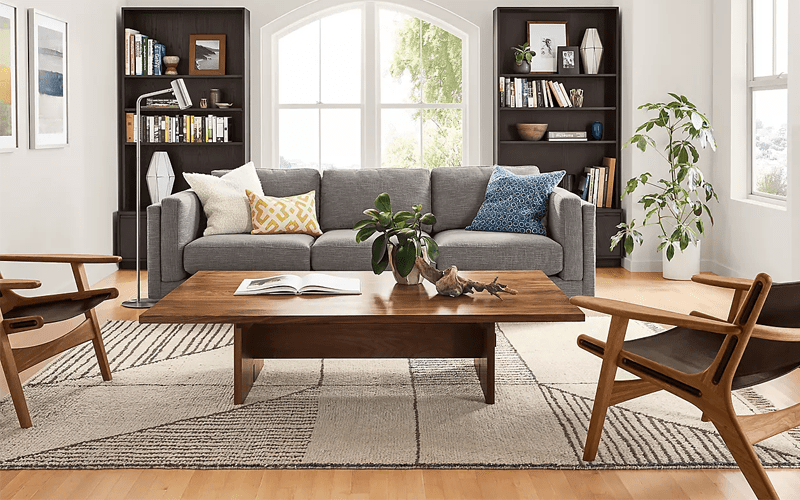
Pine Furniture
Pine is widely used for solid wood furniture and is particularly common in children's furniture and medium-priced furniture products.
Two common types include Masson pine and Scots pine. Pine generally has a relatively clear grain and a warm natural appearance, making it suitable for simple, Nordic, rustic and casual interior styles.
Pine is comparatively affordable and easy to work with, which makes it attractive for buyers looking for cost-effective solid wood furniture.
However, pine is softer than many hardwood species and can be more susceptible to dents, scratches and deformation if it is not properly dried and processed.
Buyers should therefore pay attention to the moisture content, drying process, structural design and surface finishing when purchasing pine furniture.
Ash Wood Furniture
Ash is popular for furniture and decorative panels because of its attractive and clearly visible grain.
Its appearance works particularly well with modern, contemporary and minimalist furniture designs. The natural grain can be enhanced with transparent finishes or lighter stains.
Ash is relatively strong and has good machining characteristics, but solid ash can experience significant movement as humidity changes.
For this reason, large furniture components are often engineered using smaller joined pieces or ash veneer rather than a single large solid panel.
When evaluating ash furniture, buyers should determine whether the product is solid ash, ash veneer or a combination of materials. These constructions can look similar while having significantly different costs and performance characteristics.
Oak Furniture
Oak is one of the most widely recognized hardwoods used in furniture. White oak and red oak are both commonly used, although their appearance, availability and market price can differ.
Oak is valued for its strength, durability, attractive grain and relatively high resistance to everyday wear.
It works well for dining tables, chairs, cabinets, beds, wardrobes and other furniture requiring a durable structural material.
The grain can be either relatively straight or more pronounced depending on how the timber is cut. Different cutting methods can therefore create noticeably different visual effects.
Buyers should also pay attention to the exact species specified by the supplier. Similar-looking woods can sometimes be presented under more commercially attractive names, so material specifications should be clearly stated in the quotation and purchase agreement.
Camphor and Elm Wood
Camphor wood is recognized for its distinctive aroma and natural resistance to insects. It has a relatively attractive grain and can be used for furniture components, cabinets, drawers and decorative applications.
However, because of its strong natural aroma, buyers should consider the intended application before specifying camphor for furniture used for sleeping or other environments where fragrance may be undesirable.
Elm is valued for its wide boards, attractive grain and good workability. It has a rustic appearance that works particularly well with traditional, natural and vintage-inspired furniture designs.
Elm can also provide good value for buyers who want the appearance of natural hardwood without moving into the highest price ranges of premium imported woods.
As with all natural timber, the final performance depends not only on the species but also on drying, grading, construction and finishing quality.
Walnut and Black Walnut Furniture
Walnut is considered a premium furniture wood and is particularly appreciated for its rich color, refined grain and elegant appearance.
Black walnut is even more strongly associated with high-end furniture, architectural interiors and premium decorative surfaces.
Black walnut has good dimensional stability, attractive natural color and excellent finishing characteristics. It can produce a sophisticated appearance when properly sanded and finished.
Because premium walnut can be expensive, manufacturers frequently use walnut veneer rather than producing entire furniture pieces from solid walnut.
For buyers, it is therefore important to clearly distinguish between solid walnut, walnut veneer over engineered wood and other wood species finished to imitate walnut.
The material construction should always be confirmed in the product specification and quotation before purchasing.
How to Choose the Right Wood for Your Furniture
The most expensive wood is not automatically the best choice for every furniture project.
The correct material should be selected according to the application, expected usage, design requirements, environmental conditions and target budget.
For high-traffic hospitality furniture, durability and dimensional stability may be more important than achieving the lowest possible purchase price.
For residential furniture, appearance, tactile quality and design may receive greater importance, while for large commercial projects, consistency and cost control can become critical factors.
Buyers should also distinguish between solid wood, veneer and engineered wood. Veneer can provide the appearance of premium natural timber while offering greater dimensional stability and more efficient use of expensive wood species.
Before placing an order, clearly specify the wood species, construction method, thickness, finish, moisture requirements and acceptable natural variations.
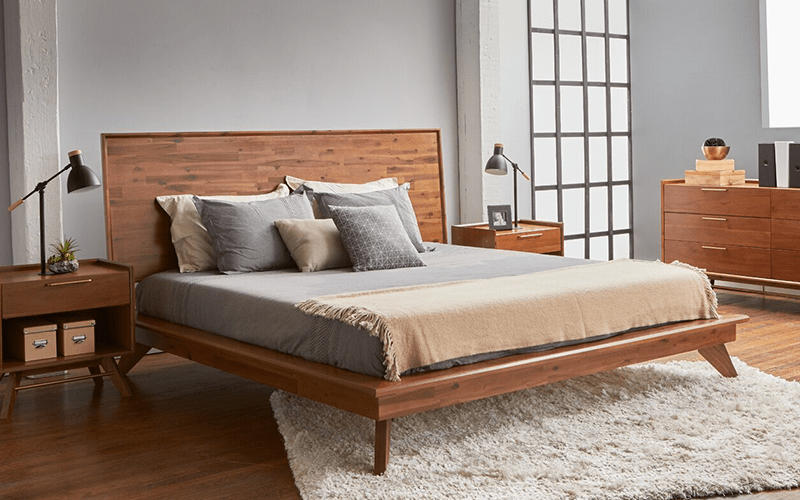
How to Evaluate Wood Furniture Suppliers
Finding wood furniture suppliers on platforms such as Alibaba or Made-in-China is relatively easy. Identifying the right supplier is much more difficult.
The first question should be whether the company is a manufacturer, trading company or a combination of manufacturing and trading operations.
A trading company can sometimes provide useful sourcing services and access to multiple factories, but buyers looking for customized furniture or long-term production should understand exactly who will manufacture the products.
Evaluate the supplier's experience, factory size, production equipment, product range, export markets and ability to handle your expected order volume.
A professional supplier should also be able to provide clear technical information about materials, construction, finishes, packaging, lead times and quality-control procedures.
The objective is not simply to find a company that can provide a quotation. The objective is to identify a supplier capable of producing the required furniture consistently.
Check Quality and Product Specifications
Quality should be defined according to measurable requirements rather than simply described as good or excellent.
Before purchasing, buyers should agree with the supplier on the exact specifications that define an acceptable product.
These specifications can include wood species, dimensions, moisture content, construction method, surface finish, hardware, color, packaging and acceptable tolerances.
Depending on the supplier and product category, buyers may also request relevant quality certificates, inspection documents or other technical documentation.
Samples are particularly important for customized furniture. An approved reference sample can provide a physical standard against which future production can be evaluated.
If a product will be manufactured repeatedly, the approved drawings, materials, finishes and sample should become part of the purchasing documentation so that both parties have the same quality reference.
Do Not Underestimate Furniture Packaging
Furniture can be damaged during handling, storage and international transportation even when the manufacturing quality is excellent.
Packaging should therefore be considered part of the product specification rather than an afterthought.
Internal packaging should protect sensitive surfaces, corners, glass, upholstery and finished wood surfaces against scratches and impact.
External packaging should provide sufficient protection during container loading, transportation, unloading and warehouse handling.
For international shipments, buyers should discuss carton specifications, foam or protective materials, moisture protection, palletization and container loading methods with the supplier.
Packaging requirements should be confirmed before production begins, particularly for large projects where damaged furniture can create significant replacement and logistics costs.
How to Compare Wood Furniture Supplier Prices
Price is one of the most important purchasing factors, but comparing supplier quotations only by the final number can produce misleading results.
Two suppliers may quote apparently identical furniture while using different wood species, construction methods, finishes, hardware or packaging standards.
When comparing quotations, buyers should therefore create an equivalent specification for every supplier.
Important factors include wood species, solid wood or veneer construction, dimensions, thickness, finish, hardware, packaging, MOQ, production lead time and payment terms.
Market research is also important. Buyers should compare several suppliers and investigate similar products to establish a realistic price range.
The supplier offering the lowest price is not necessarily the best choice. A slightly higher price may provide better materials, more consistent quality, stronger quality control, better packaging or more reliable delivery.
Verify the Supplier Before Placing a Large Order
Before committing to a significant furniture order, buyers should verify that the supplier can actually deliver what has been promised.
A factory visit is one of the most effective ways to understand the real production capabilities behind a supplier profile or catalogue.
During a factory inspection, buyers can examine machinery, production lines, woodworking equipment, finishing areas, warehouses, quality-control procedures and the general organization of the facility.
Buyers should also compare the products shown online with the products actually being manufactured.
For customized or large-volume furniture projects, a production sample should ideally be approved before mass production begins.
Depending on the order value and risk level, buyers can also arrange inspections during production and before shipment.
Supplier verification is not about assuming that every supplier is unreliable. It is about reducing uncertainty before a large financial and logistical commitment is made.
Choose the Right Wood Furniture
Before comparing suppliers, define exactly what type of furniture and material your project requires.
- Define the intended use of the furniture.
- Select the appropriate wood species.
- Decide between solid wood, veneer and engineered wood.
- Confirm furniture dimensions and construction.
- Define the required surface finish and color.
- Consider expected durability and usage frequency.
- Consider the environmental conditions where the furniture will be used.
- Establish the target budget.
- Prepare technical drawings or reference samples when possible.
Evaluate Wood Furniture Suppliers
A supplier should be evaluated on manufacturing capability and reliability, not only on catalogue appearance or price.
- Determine whether the company is a manufacturer or trading company.
- Check the supplier's furniture production experience.
- Review the available product categories.
- Ask about production capacity.
- Confirm wood species and material specifications.
- Ask about quality-control procedures.
- Request relevant certificates or inspection documents.
- Discuss customization capabilities.
- Confirm MOQ and lead time.
- Review export experience and international markets.
Complete Supplier Due Diligence
Before placing a large furniture order, verify the supplier and establish clear purchasing specifications.
- Request a detailed quotation.
- Compare equivalent specifications from several suppliers.
- Request product samples.
- Approve the final material and finish.
- Confirm dimensions and technical drawings.
- Agree on quality standards and acceptable tolerances.
- Confirm packaging requirements.
- Arrange a factory or showroom inspection when appropriate.
- Confirm production lead time.
- Define inspection procedures before shipment.
- Document the final specifications in the purchase agreement.
The best furniture supplier is not necessarily the one with the lowest quotation. It is the supplier that can consistently deliver the required material, quality, price and production reliability.
Selecting the Right Wood Furniture and Supplier
Choosing wood furniture requires more than comparing designs and prices. The type of wood, construction method, finishing process and intended application all influence the final performance and value of the furniture.
For buyers sourcing from China, understanding the difference between pine, ash, oak, walnut, black walnut and other wood species can make supplier discussions much more precise and help avoid misunderstandings about materials.
The same principle applies to supplier selection. A professional supplier should be able to clearly explain the materials used, production process, quality standards, packaging, lead time and commercial conditions.
Before placing a significant order, buyers should compare suppliers using equivalent specifications rather than simply selecting the lowest quotation. Samples, technical drawings, factory inspections and quality-control procedures can provide additional protection against costly mistakes.
Packaging should also be treated as an important part of the sourcing process. Furniture that leaves the factory in perfect condition can still arrive damaged if the packaging and transportation preparation are inadequate.
Ultimately, successful wood furniture sourcing is about creating a clear connection between product requirements and supplier capabilities. When material specifications, quality expectations, pricing, packaging and production conditions are clearly defined, buyers have a much stronger foundation for long-term cooperation.
If you are looking for a furniture manufacturing partner in China for customized wood furniture, hospitality projects, commercial developments or bulk production, Lohabour can help develop and manufacture furniture according to your project requirements.
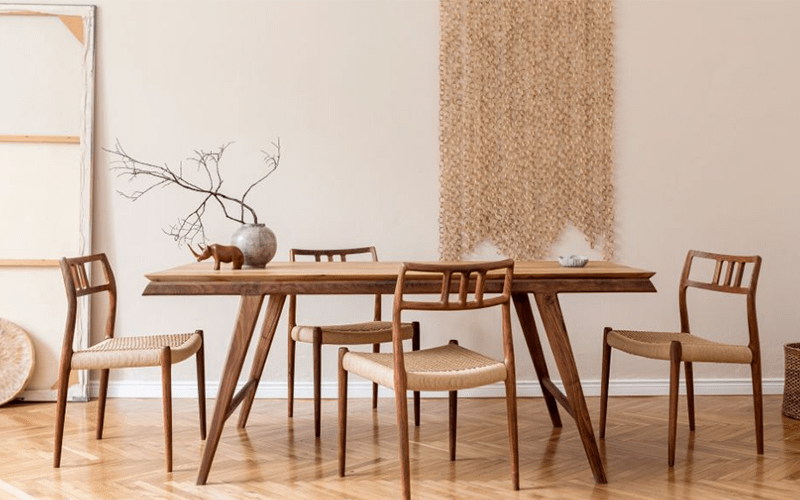
Common furniture woods include pine, ash, oak, beech, walnut, black walnut, elm, teak, rubber wood and other hardwood or softwood species. The appropriate choice depends on the intended application, design, durability requirements and budget.
Not necessarily. Solid wood provides natural material characteristics and can be highly durable, but veneer can provide the appearance of premium timber while offering greater dimensional stability and more efficient use of expensive wood species. The best construction depends on the furniture design and application.
Specify the exact wood species in the quotation and purchase agreement, request material samples and, for important projects, verify the material during a factory inspection or through an independent quality inspection process.
Buyers can review the supplier's factory information, production facilities, machinery, workforce and manufacturing processes. A factory visit is one of the most effective ways to verify whether a supplier has the production capabilities it claims to have.
Not necessarily. The lowest quotation may reflect differences in wood species, construction, finishing, hardware, packaging or quality control. Buyers should compare equivalent specifications and evaluate the supplier's overall reliability before making a decision.
Furniture can be damaged during handling and international transportation even when the manufacturing quality is good. Appropriate internal and external packaging helps protect surfaces, corners, upholstery, glass and structural components during shipping.
For significant or customized orders, a factory or production inspection can be highly valuable. It allows buyers to verify production capabilities, quality-control procedures, materials, equipment and the general manufacturing environment before committing to large quantities.
A detailed specification can include wood species, solid wood or veneer construction, dimensions, thickness, finish, color, hardware, assembly requirements, packaging, tolerances, quality standards and inspection requirements.
Looking for a Reliable Wood Furniture Manufacturer in China?
Lohabour works with international buyers, hospitality projects, commercial developments, wholesalers and OEM programs. Our furniture manufacturing capabilities cover wood furniture, upholstered furniture and metal furniture, with a focus on customized production, quality control and long-term cooperation.
Discover Our Products